Skin
Chemical Peels Decoded: Choosing the Right Peel for Your Skin, Goals, and Downtime
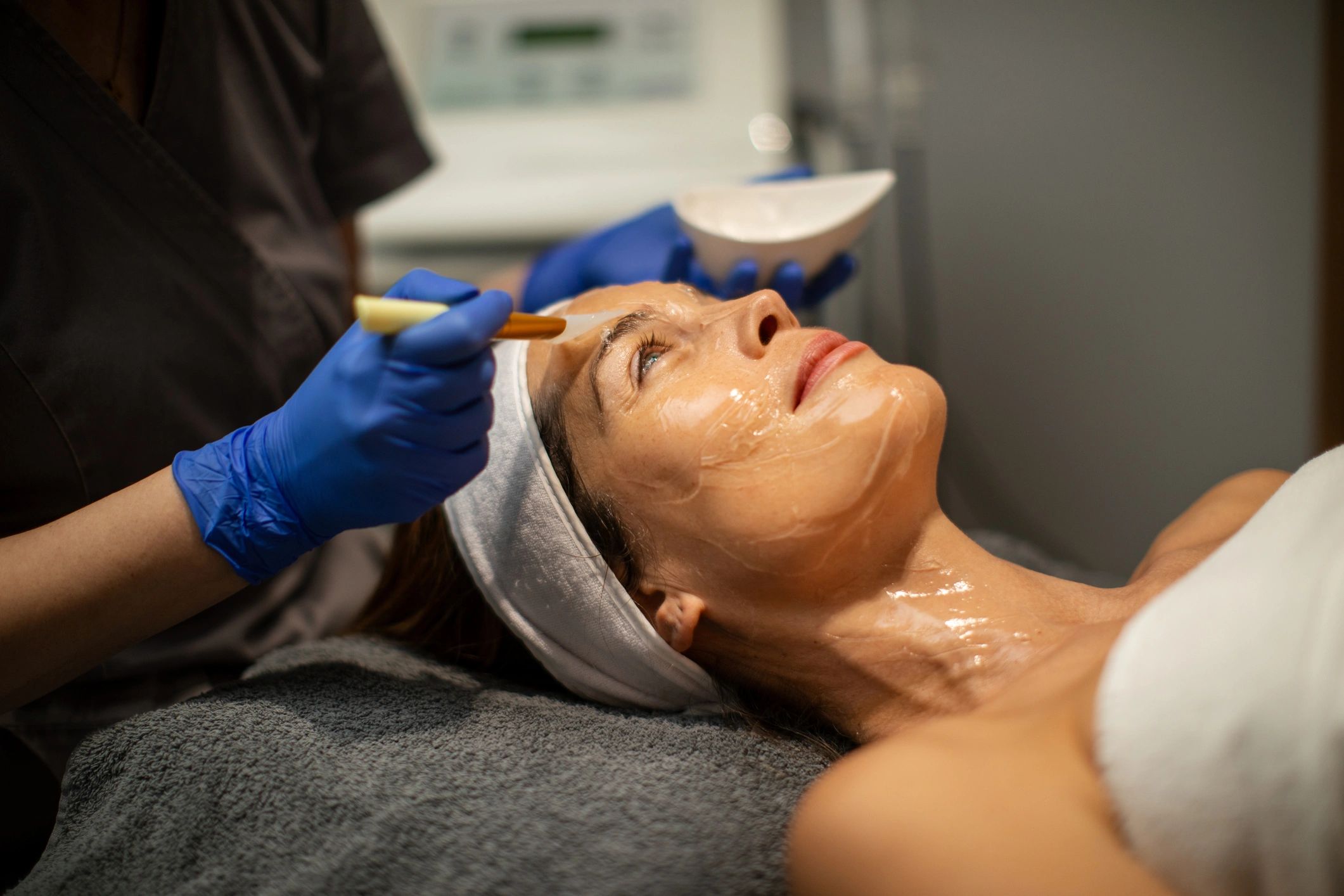
For many people, the words chemical peel bring to mind dramatic images of red, peeling faces hidden beneath wide-brimmed hats and oversized sunglasses. Hollywood has often portrayed chemical peels as harsh, painful procedures reserved for celebrities preparing for the red carpet. The truth is far more interesting. Modern chemical peels range from gentle lunchtime treatments with little to no visible peeling to advanced medical procedures capable of dramatically improving decades of sun damage. Regardless of their strength, they all share the same underlying goal: encouraging the skin to replace damaged surface cells with healthier, more evenly textured skin. Rather than damaging healthy skin, today's professionally selected chemical peels are designed to create a carefully controlled response that stimulates the body's natural healing process. Understanding how this process works helps explain why chemical peels continue to play an important role in aesthetic medicine — even in an era of lasers, radiofrequency devices, and sophisticated injectable treatments.
Stay Informed
A better inbox starts here.
Get thoughtful beauty and wellness guidance from the Aledore Journal.
Find Locally
Find trusted providers near you
Your Skin Is Constantly Rebuilding Itself
The skin is the largest organ of the human body and one of its most remarkable. Every day, millions of skin cells naturally die, shed, and are replaced by new ones formed beneath the surface. This continuous cycle helps maintain the skin's protective barrier while repairing damage caused by everyday life. Healthy skin consists of three primary layers. The epidermis is the outermost layer — the portion we see in the mirror. Its responsibilities include protecting against bacteria, preventing excessive water loss, defending against environmental pollutants, and producing pigment through specialized cells called melanocytes. Most superficial chemical peels work primarily within this layer. Beneath the epidermis lies the dermis — a thicker layer containing collagen, elastin, blood vessels, hair follicles, sweat glands, oil glands, and nerves. The dermis provides strength, elasticity, and resilience. Medium-depth and deeper peels can stimulate changes within this layer that contribute to smoother, firmer skin over time.
Why Skin Begins to Look Older
Skin aging occurs for many reasons. Some are inevitable. Others are strongly influenced by lifestyle and environmental exposure. Intrinsic aging refers to the natural aging process that occurs over time — slower cell turnover, reduced collagen production, thinning skin, decreased oil production, and loss of elasticity. Intrinsic aging affects everyone, although the rate varies from person to person. External factors often accelerate visible aging. These include ultraviolet (UV) radiation, smoking, air pollution, poor nutrition, chronic stress, sleep deprivation, and repeated facial expressions. Among these, sun exposure remains the single greatest contributor to premature skin aging. Dermatologists often refer to this process as photoaging. Unlike intrinsic aging, many aspects of photoaging are preventable through daily sun protection.
The Science Behind a Chemical Peel
Despite the name, a chemical peel does not simply "burn off" the skin. Instead, carefully selected chemical solutions loosen the bonds between older skin cells, allowing them to shed more efficiently. As these damaged cells are replaced, the skin begins producing healthier tissue beneath the surface. This controlled renewal process can help improve uneven pigmentation, rough texture, fine lines, acne, acne scars, sun damage, enlarged pores, and certain forms of hyperpigmentation. The depth of this response depends on the type of peel selected and the concentration of the active ingredients. One of the most fascinating concepts in aesthetic medicine is that carefully controlled injury can stimulate healthier tissue. When the skin recognizes a controlled injury, it initiates a complex healing response involving cellular communication, growth factors, collagen production, tissue remodeling, and replacement of damaged cells. The result is not simply peeling — it is renewal. The objective is healthier skin, not thinner skin.
Collagen, Cell Turnover, and Long-Term Results
Much of the long-term benefit of certain chemical peels comes from collagen — the primary structural protein responsible for skin firmness, smooth texture, elasticity, and strength. Beginning in early adulthood, collagen production gradually declines, contributing to wrinkles, skin laxity, fine lines, and loss of resilience. Some medium-depth peels stimulate collagen remodeling within the dermis, helping improve skin quality over time. Because collagen remodeling occurs gradually, many improvements continue developing for weeks or even months after treatment. Young skin renews itself relatively quickly. As we age, this natural turnover process slows. Dead skin cells remain on the surface longer, resulting in a dull appearance, uneven texture, dryness, rough patches, slower healing, and reduced radiance. Chemical peels accelerate this renewal process by encouraging the removal of older surface cells and revealing newer skin beneath — one reason many patients notice brighter skin shortly after healing is complete.
Chemical Peels Are Not New
Although chemical peels feel like a modern cosmetic treatment, their origins stretch back thousands of years. Historical records suggest that ancient civilizations experimented with naturally occurring acids found in sour milk, fermented fruit, wine, citrus, and plant extracts. These early treatments were primitive compared with today's standardized formulations, yet they reflected an early understanding that controlled exfoliation could improve skin appearance. Throughout the twentieth century, physicians refined peel formulations using carefully measured concentrations and evidence-based protocols. Advances in dermatology, chemistry, and skin biology transformed chemical peels into one of the most predictable nonsurgical skin rejuvenation treatments available today.
Why Chemical Peels Remain Popular
The aesthetic industry now offers countless technologies — fractional lasers, radiofrequency microneedling, intense pulsed light (IPL), ultrasound skin tightening, injectable treatments, and energy-based resurfacing devices. Yet chemical peels continue to be recommended by dermatologists, plastic surgeons, and aesthetic providers worldwide.
- Highly customizable to individual skin concerns
- Suitable for a wide range of skin conditions
- Often cost-effective compared with energy-based devices
- Backed by decades of clinical research
- Compatible with many other treatments
- Available in varying strengths for different goals
A carefully selected peel can often complement treatments such as microneedling, laser therapy, and physician-guided skincare as part of a comprehensive skin rejuvenation plan.
Part II: Every Peel Explained
One of the biggest misconceptions about chemical peels is that stronger always means better. In reality, the "best" peel is not necessarily the deepest or most aggressive — it is the one that addresses a person's unique skin concerns while minimizing unnecessary risk and downtime. Chemical peels are generally divided into three categories. Superficial peels — often called "lunchtime peels" — work primarily within the epidermis, typically improving dull skin, mild acne, uneven skin tone, early sun damage, and fine texture changes. Recovery is usually brief with little to no visible peeling. Medium-depth peels penetrate into portions of the dermis and are commonly used for moderate sun damage, fine wrinkles, pigmentation concerns, certain acne scars, and more significant texture changes. Deep peels reach further into the dermis and can produce dramatic skin resurfacing, but involve longer recovery and are performed only in appropriately selected patients under experienced medical supervision.
Glycolic Acid: The Brightening Peel
Derived from sugar cane, glycolic acid is one of the most widely used alpha hydroxy acids (AHAs). Its small molecular size allows it to penetrate the skin efficiently, making it an excellent choice for improving surface texture and radiance. Glycolic acid is commonly used to address dull complexion, fine lines, mild hyperpigmentation, rough skin texture, and early signs of photoaging. Because treatments can be adjusted across a range of strengths, glycolic peels are often used in a series for progressive improvement. Ideal for: normal skin, combination skin, mild sun damage, and patients seeking brighter skin with minimal downtime.
Lactic Acid: The Gentle Refresher
Lactic acid, originally discovered in sour milk, is another alpha hydroxy acid known for its gentler action. Unlike stronger exfoliating acids, lactic acid also helps attract moisture to the skin, making it a popular choice for individuals with dry or sensitive skin. Benefits may include improved hydration, gentle exfoliation, brighter skin tone, mild pigmentation improvement, and enhanced skin smoothness. Because it is generally well tolerated, lactic acid is frequently recommended for patients beginning professional peel treatments. Ideal for: dry skin, sensitive skin, early signs of aging, and mild discoloration.
Mandelic Acid: A Favorite for Sensitive and Acne-Prone Skin
Mandelic acid is derived from bitter almonds and has a larger molecular structure than glycolic acid. This larger size allows it to penetrate the skin more slowly, often reducing irritation while still providing effective exfoliation. Mandelic acid is commonly used for acne, post-inflammatory hyperpigmentation, mild rosacea-prone skin (when appropriate), uneven skin tone, and sensitive complexions. Because it is generally gentler than some other acids, many providers consider it a versatile option for patients with darker skin tones who may be at greater risk of post-inflammatory pigmentation changes.
Salicylic Acid: The Acne Specialist
Unlike alpha hydroxy acids, salicylic acid belongs to the beta hydroxy acid (BHA) family. One characteristic sets it apart: it is oil soluble. This allows salicylic acid to travel into oily pores, helping dissolve excess sebum and loosen clogged debris. Salicylic acid peels are frequently recommended for acne, blackheads, oily skin, enlarged pores, and congested skin. Because of its anti-inflammatory properties, it remains one of the most effective peeling agents for acne-prone patients.
Jessner Peel: The Combination Approach
Rather than relying on a single ingredient, the traditional Jessner solution combines salicylic acid, lactic acid, and resorcinol (or modern alternatives in modified formulations). This combination allows the peel to address multiple concerns simultaneously — acne, hyperpigmentation, sun damage, fine lines, and rough texture. Depending on the number of layers applied and the overall treatment plan, recovery can vary from mild flaking to more noticeable peeling.
TCA: The Versatile Workhorse
Few chemical peels have been studied as extensively as trichloroacetic acid (TCA) peels. TCA can be formulated at different concentrations, allowing providers to perform both superficial and medium-depth treatments. TCA peels are commonly used for moderate wrinkles, sun damage, pigmentation disorders, certain acne scars, and skin texture irregularities. Because higher concentrations carry greater risks of prolonged redness and pigmentation changes, patient selection and aftercare are especially important.
Phenol Peels: Reserved for Advanced Skin Resurfacing
Phenol peels represent the deepest category of chemical peel. These treatments may produce significant improvement in deep facial wrinkles, advanced photoaging, severe sun damage, and certain textural concerns. However, they also involve longer recovery, more intensive postoperative care, greater risks, and careful patient selection. For these reasons, phenol peels are performed far less frequently than superficial or medium-depth peels and are typically reserved for select patients under physician supervision.
How Providers Choose the Right Peel
Selecting a chemical peel involves much more than choosing an acid. Providers evaluate numerous factors including Fitzpatrick skin type, current medications, skin sensitivity, history of pigmentation disorders, acne activity, rosacea, lifestyle, ability to follow aftercare instructions, desired downtime, and previous cosmetic treatments. This individualized approach helps reduce complications while maximizing results.
Preparing for a Chemical Peel
Preparation can influence both safety and outcomes. Depending on the peel, providers may recommend:
- Daily sunscreen use before treatment
- Temporary discontinuation of retinoids
- Avoiding waxing or harsh exfoliants
- Limiting sun exposure
- Using physician-recommended skincare products
- Antiviral medication for patients with a history of cold sores undergoing certain procedures
Following these instructions carefully helps create the best possible environment for healing.
Recovery: What to Expect
Recovery depends on the depth of the peel. Common experiences include redness, tightness, dryness, flaking, and peeling. One of the biggest mistakes patients make is trying to remove peeling skin manually. Allowing the skin to shed naturally helps reduce the risk of irritation, infection, and pigmentation changes. Equally important is diligent sun protection during healing. Freshly treated skin is especially vulnerable to ultraviolet damage, making daily broad-spectrum sunscreen an essential part of recovery.
Myth vs. Fact
Common misconceptions about chemical peels:
- Myth: If your skin doesn't visibly peel, the treatment didn't work. Fact: Many superficial peels improve skin quality with little or no noticeable peeling.
- Myth: Chemical peels thin the skin. Fact: Appropriately performed peels stimulate renewal and, in some cases, collagen remodeling. They do not permanently thin healthy skin.
- Myth: Chemical peels are only for mature skin. Fact: Peels may be recommended for acne, pigmentation, sun damage, texture, and early signs of aging in appropriately selected patients.
- Myth: All chemical peels require weeks of recovery. Fact: Many superficial peels involve minimal downtime, while deeper peels require more extensive healing.
- Myth: One peel permanently fixes every skin concern. Fact: Many patients achieve the best results through a personalized treatment plan that may include multiple sessions and a consistent skincare routine.
Questions to Ask Your Provider
Before scheduling a chemical peel, consider asking:
- Which peel is best for my skin type?
- What results can I realistically expect?
- How much downtime should I plan for?
- What skincare products should I stop using beforehand?
- How should I care for my skin afterward?
- Am I at increased risk for pigmentation changes?
- Will I likely need multiple treatments?
- Can this peel be combined with other procedures in the future?
- What warning signs should prompt me to contact your office after treatment?
The Future of Chemical Peels
Chemical peels continue to evolve alongside advances in dermatology and aesthetic medicine. Researchers are exploring new formulations, combination therapies, and delivery systems that improve effectiveness while minimizing irritation and recovery time. Today's peels are increasingly combined with physician-guided skincare, laser treatments, microneedling, and other evidence-based therapies to create individualized treatment plans tailored to each patient's needs. Chemical peels have earned their place as one of the cornerstones of modern aesthetic medicine — not because they are the newest technology, but because they continue to deliver reliable results when matched to the right patient and performed with thoughtful planning. The most successful outcomes rarely come from choosing the strongest peel. Instead, they come from understanding your skin, working with a qualified provider, following proper preparation and aftercare, and viewing skin rejuvenation as an ongoing partnership rather than a one-time treatment.
Frequently asked questions
Your Skin Is Constantly Rebuilding Itself: what should readers know?
The skin is the largest organ of the human body and one of its most remarkable. Every day, millions of skin cells naturally die, shed, and are replaced by new ones formed beneath the surface. This continuous cycle helps maintain the skin's protective barrier while repairing damage caused by everyday life. Healthy skin…
Why Skin Begins to Look Older: what should readers know?
Skin aging occurs for many reasons. Some are inevitable. Others are strongly influenced by lifestyle and environmental exposure. Intrinsic aging refers to the natural aging process that occurs over time — slower cell turnover, reduced collagen production, thinning skin, decreased oil production, and loss of…
The Science Behind a Chemical Peel: what should readers know?
Despite the name, a chemical peel does not simply "burn off" the skin. Instead, carefully selected chemical solutions loosen the bonds between older skin cells, allowing them to shed more efficiently. As these damaged cells are replaced, the skin begins producing healthier tissue beneath the surface. This controlled…
Free Download
Chemical Peels Decoded: Choosing the Right Peel for Your Skin, Goals, and Downtime
Save this guide for later — yours to keep, reference, and share.
Near You
Find this service locally
References
- American Academy of Dermatology (AAD). Chemical Peels: What to Know Before Treatment.
- American Society for Dermatologic Surgery (ASDS). Chemical Peel Patient Education Resources.
- American Society of Plastic Surgeons (ASPS). Skin Resurfacing and Chemical Peel Resources.
- Rubin MG. Chemical Peels: Procedures in Cosmetic Dermatology. 3rd ed. Elsevier.
- Brody HJ. Chemical Peeling and Resurfacing. Mosby.
- Bolognia JL, Schaffer JV, Cerroni L. Dermatology. 4th ed. Elsevier.
- Kang S, Amagai M, Bruckner AL, et al. Fitzpatrick's Dermatology. 9th ed. McGraw-Hill.
- Monheit GD, Chastain MA. Clinical research on superficial, medium-depth, and combination chemical peels.
- Journal of the American Academy of Dermatology (JAAD). Peer-reviewed publications on chemical peel safety, acne, melasma, photoaging, and pigmentation disorders.
- Dermatologic Surgery. Clinical studies on glycolic acid, salicylic acid, TCA, Jessner, and phenol peels.
- Aesthetic Surgery Journal. Research on skin resurfacing, collagen remodeling, and combination aesthetic treatments.
- Journal of Cosmetic Dermatology. Studies evaluating alpha hydroxy acids, beta hydroxy acids, patient outcomes, and chemical peel protocols.
Editorial Disclosure: The content in this article is intended for informational purposes only and does not constitute medical advice, diagnosis, or treatment. Always consult a qualified healthcare provider before beginning any procedure, treatment, or wellness program. Individual results vary. Aledore does not endorse any specific provider, product, or treatment mentioned in this article. Conduct your own research and seek professional guidance before making any health or aesthetic decisions.
Medical Disclaimer: This article is for educational purposes only and is not a substitute for individualized medical, dental, or wellness advice, diagnosis, or treatment. Consult an appropriately qualified professional before making treatment decisions.
View Count Disclosure: The article-view total shown above is a sample figure used to preview this design and does not represent verified reader traffic. Live analytics may replace the sample total in the future.


