Skin
The Exosome Era: Inside Beauty’s Newest Regenerative Obsession
From younger-looking skin to fuller hair, exosomes are being called the future of regenerative aesthetics. But how much of the excitement is backed by science? There is always a moment when an emerging beauty treatment seems to appear everywhere at once. A term that once belonged primarily to research laboratories begins appearing on treatment menus, in skincare advertisements, across social media and in conversations between patients and aesthetic providers. In recent years, that term has increasingly been exosomes. They are being paired with microneedling, applied after laser resurfacing, incorporated into professional skincare protocols and investigated for hair restoration. Depending on where you encounter them, exosomes may be described as regenerative, rejuvenating, collagen-supporting or even transformative. Some of the language surrounding them makes them sound like the inevitable next generation of aesthetic medicine. The reality is more fascinating—and considerably more complicated. Exosomes are not simply another trendy skincare ingredient. They belong to a much larger field of research exploring how cells communicate with one another and how those communication systems might eventually be harnessed therapeutically. Scientists have been studying extracellular vesicles for years because of the biological information they can transport between cells. That research has implications extending far beyond beauty, including regenerative medicine, disease biology, drug delivery and tissue repair. Aesthetic medicine has become interested in the same underlying mechanisms for an obvious reason: if cellular signals participate in inflammation, wound healing, tissue remodeling and regeneration, could some of those signals potentially be used to improve the way aging or damaged skin repairs itself? It is an intriguing possibility. It is also where consumers need to separate biological plausibility from proven clinical results. The commercial beauty market has moved quickly. Treatments described as exosome facials, exosome microneedling, exosome hair restoration and post-laser exosome therapy can already be found in aesthetic practices, even as researchers continue working to determine which extracellular-vesicle preparations are most useful, how they should be characterized, what doses should be used, how they should be delivered and what their long-term safety profiles look like. There are encouraging human studies, but there are also substantial differences between products and protocols. The result is a beauty category in which genuine scientific interest and commercial enthusiasm are advancing at very different speeds. Understanding exosomes therefore requires something more than asking whether they “work.” We first have to understand what they actually are.
Stay Informed
A better inbox starts here.
Get thoughtful beauty and wellness guidance from the Aledore Journal.
Find Locally
Find trusted providers near you
Tiny Messengers With a Much Bigger Job
Human cells do not exist as isolated biological islands. They constantly communicate with their surroundings and with other cells. One way this happens is through extracellular vesicles: extremely small membrane-bound particles released from cells that can carry biological material from one place to another.
Exosomes are generally discussed as a small subtype within the broader extracellular-vesicle family, although the terminology becomes more complicated outside tightly controlled research environments. These vesicles can contain combinations of proteins, lipids and nucleic acids, including forms of RNA. Their contents can reflect characteristics of the cells that produced them, and when extracellular vesicles interact with recipient cells, their molecular cargo may influence cellular activity. In simple terms, they can participate in a sophisticated biological messaging network.
That concept explains much of the excitement surrounding exosomes in regenerative medicine. Scientists are interested not merely in the vesicle itself but in the information it may transport.
Imagine two cells attempting to coordinate a repair project. Instead of one cell physically traveling to the other, biological signals can be packaged and transmitted. The receiving cell then interprets those signals and may change its behavior. That analogy dramatically simplifies an extraordinarily complicated process, but it helps explain why extracellular vesicles have attracted so much scientific attention.
This also explains why the word “exosome” can be misleading when it appears on a beauty menu without additional information. Exosomes are not one standardized substance comparable to a single pharmaceutical molecule. Their characteristics can differ depending upon the cell source, manufacturing process, purification method, characterization techniques, concentration, storage conditions and formulation. Two products both marketed with the word “exosome” therefore should not automatically be assumed to be biologically equivalent.
That distinction is fundamental to understanding this entire category.
Why Aesthetic Medicine Became So Interested
Traditional aesthetic treatments generally accomplish relatively understandable physical objectives. Neuromodulators temporarily reduce targeted muscle activity. Hyaluronic acid fillers restore or alter volume and contour. Lasers deliver controlled energy to tissue. Chemical peels produce carefully managed exfoliation and injury. Microneedling creates microscopic channels and initiates a wound-healing response. Surgical procedures physically reposition, remove or reshape tissue.
Regenerative aesthetics proposes a somewhat different goal: rather than simply altering appearance from the outside, can treatment encourage biological processes within tissue that improve its quality?
This is not an entirely new idea. Platelet-rich plasma, platelet-rich fibrin, biostimulatory injectables and other regenerative or regenerative-adjacent approaches have already made collagen stimulation and tissue signaling familiar concepts within aesthetics. Exosomes fit naturally into this movement because extracellular vesicles are involved in communication pathways associated with processes such as inflammation, angiogenesis, extracellular-matrix regulation and tissue repair.
Skin aging itself makes these questions particularly compelling.
Young skin is supported by an organized extracellular matrix containing collagen, elastin, glycosaminoglycans and other structural components. Fibroblasts play a central role in producing and maintaining portions of this matrix. With intrinsic aging and accumulated environmental exposure—particularly ultraviolet radiation—skin undergoes progressive structural and functional changes. Collagen production and organization change, matrix-degrading processes become increasingly important, elasticity declines, pigmentation can become irregular, and the skin's ability to recover from stress and injury may change. Smoking, pollution, repeated UV exposure and other factors can accelerate aspects of this process.
Traditional anti-aging strategies attempt to intervene at different points. Sunscreen reduces future ultraviolet damage. Retinoids influence cellular turnover and collagen-related pathways. Lasers create controlled thermal injury that stimulates remodeling. Microneedling initiates wound-healing processes. Biostimulatory injectables encourage collagen formation through their own mechanisms.
Exosome research asks whether extracellular-vesicle signaling could become another tool in that toolbox.
Preclinical studies have produced intriguing findings suggesting certain extracellular-vesicle preparations may influence fibroblast behavior, collagen-related pathways, inflammatory signaling and wound healing. Some early human studies have also reported improvements in aesthetic skin measurements. But translating a compelling laboratory mechanism into a predictable consumer treatment is a much larger scientific challenge. A substance can demonstrate biological activity in cultured cells without necessarily producing meaningful rejuvenation in human skin. An animal wound-healing model does not automatically tell us how a cosmetic treatment will perform on a 55-year-old patient's photoaged face. Concentration, source, delivery, formulation, treatment frequency and patient characteristics all matter.
This is one of the most important themes running through exosome aesthetics: promising mechanisms are not the same thing as established clinical outcomes.
The Exosome Facial—and Why Microneedling Became Its Perfect Partner
For many consumers, their first encounter with exosomes will not happen in a research journal. It will happen on a med-spa treatment menu.
One of the most common combinations is microneedling with an exosome-containing topical preparation.
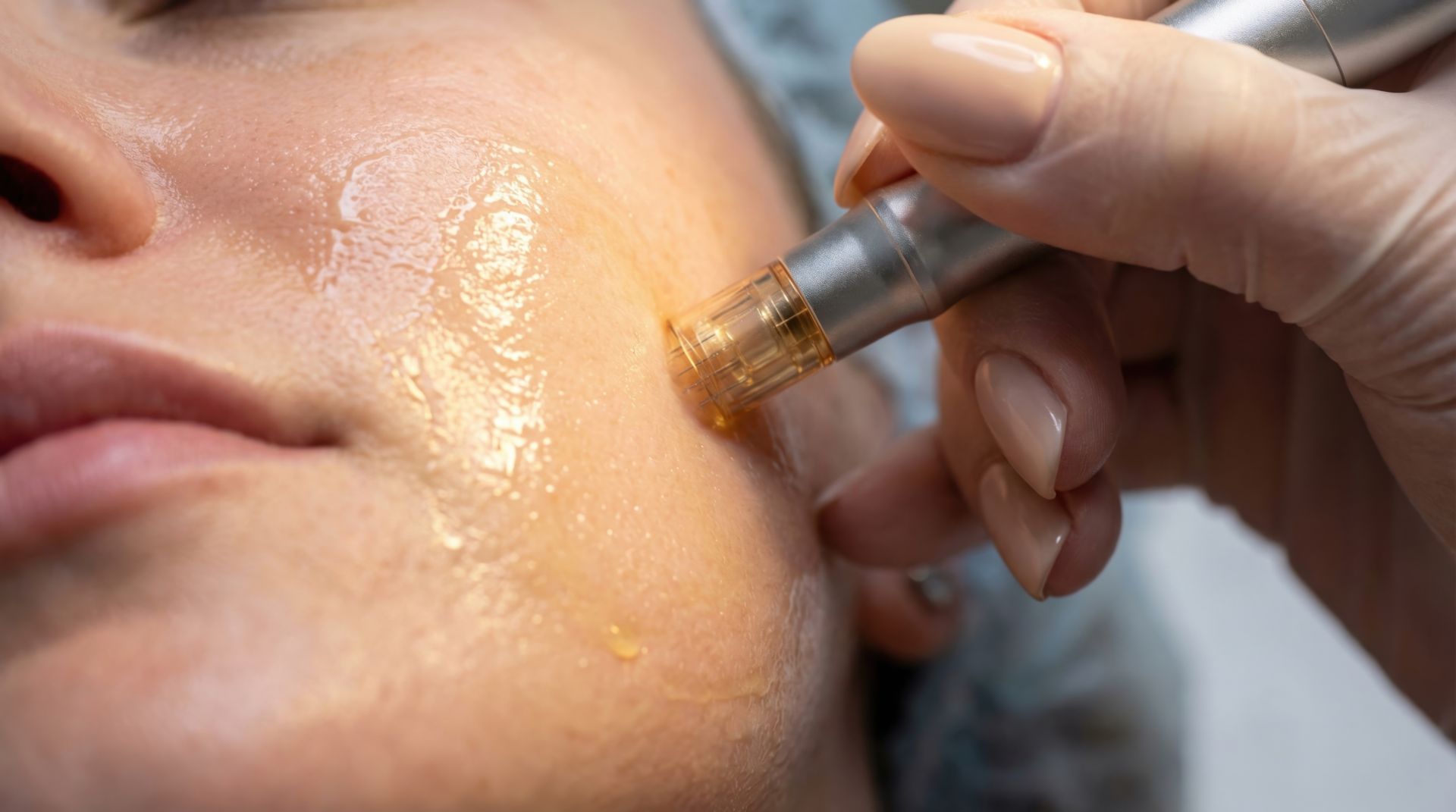
The pairing makes intuitive sense. Microneedling uses sterile needles to create controlled microscopic injuries in the skin. The resulting wound-healing cascade is one reason microneedling can improve certain forms of texture irregularity, acne scarring and skin quality over a series of treatments. Immediately after the procedure, the skin barrier is temporarily disrupted and microscopic channels have been created.
Some aesthetic practices apply an exosome-containing preparation during or immediately after this process, with the goal of supplementing the regenerative environment created by microneedling. Depending on the product and protocol, claims may include faster recovery, reduced visible inflammation, improved hydration, increased collagen remodeling, brighter skin, improved texture or stronger rejuvenation than microneedling alone.
This is also where consumers should begin asking more sophisticated questions.
The phrase “microneedling with exosomes” does not describe one universally standardized medical protocol. One clinic may use a particular commercially manufactured topical product. Another may use a completely different preparation. Needle depth, device, number of passes, treatment area, product concentration, timing of application and aftercare may all differ. Even the biological source and characterization of the purported extracellular vesicles may differ.
That variability makes research difficult to compare and consumer marketing even harder to interpret.
Still, early human research is one reason the subject deserves serious attention rather than immediate dismissal. Recent reviews of the literature have identified studies reporting improvements in measurements such as hydration, elasticity, pigmentation, pore appearance, wrinkle characteristics and overall skin quality following extracellular-vesicle-based interventions. Some research has investigated these preparations alongside procedures such as microneedling or energy-based treatments.
But many studies remain relatively small, treatment protocols are heterogeneous, follow-up periods can be limited, and randomized controlled trials are not yet as abundant as they are for many established aesthetic interventions. When multiple studies use different products, sources, concentrations and delivery methods, even encouraging results cannot simply be generalized to every bottle marketed as an “exosome serum.”
That is a crucial difference between saying “research into exosome-based skin rejuvenation is promising” and saying “exosome facials are proven to rejuvenate skin.”
The first statement reflects an emerging field.
The second outruns the evidence.
Why Lasers and Exosomes Are Being Paired
Microneedling is only one part of the story. Exosome-containing products are increasingly discussed alongside laser resurfacing and other energy-based procedures.
Laser resurfacing works precisely because controlled injury can trigger repair and remodeling. Depending upon the technology and settings, laser energy can target different layers or chromophores within the skin and may be used to address pigmentation, texture, wrinkles, scarring and other concerns. More aggressive resurfacing generally produces more substantial inflammation and downtime.
This creates an appealing commercial proposition: if extracellular-vesicle preparations can influence inflammation and tissue-repair pathways, perhaps applying them around a controlled-injury procedure could improve healing or enhance the final result.
That possibility is being investigated, and preliminary studies have generated interest. But again, the treatment should not be reduced to the idea that exosomes simply “heal laser damage faster.” Wound healing involves overlapping inflammatory, proliferative and remodeling phases involving immune cells, keratinocytes, fibroblasts, endothelial cells, signaling molecules and extracellular-matrix components. Modifying this process safely and predictably is considerably more complicated than adding one trendy ingredient.
There is another reason this combination deserves scrutiny. Compromising the skin barrier changes the significance of whatever is applied afterward.
A cosmetic product placed on intact skin faces the formidable barrier of the stratum corneum. A product applied immediately after microneedling, ablative laser treatment or another barrier-disrupting procedure encounters a very different environment. Product purity, sterility, formulation, manufacturing quality and intended route of administration become particularly important.
This is why consumers should resist assuming that any product marketed as an exosome serum is automatically appropriate for application to freshly treated skin.
Professional treatment is not simply about having access to a bottle labeled “regenerative.” Product selection, procedure technique, infection prevention, patient selection and complication management matter.
Exosomes Versus Growth Factors: They Are Not the Same Thing
One source of consumer confusion is the tendency to use terms such as exosomes, stem cells and growth factors almost interchangeably. They are not interchangeable.
Growth factors are signaling proteins that bind to receptors and influence cellular processes. They have long been studied in wound healing and dermatology and are incorporated into some topical skincare formulations.
Exosomes are membrane-bound extracellular vesicles capable of carrying multiple forms of biological cargo, potentially including proteins, lipids and nucleic acids. A useful oversimplification is that a growth factor is a signaling molecule, while an exosome can function more like a microscopic delivery package carrying multiple signals.
Stem cells are something different again. They are living cells capable of self-renewal and, depending on their type, differentiation. An exosome is not a stem cell. It cannot simply transform into new skin tissue.
Why, then, are exosomes frequently associated with stem cells?
Because many experimental extracellular-vesicle preparations are produced from cultured cells, including various stem/stromal cell populations. Researchers have become interested in the possibility that some of the therapeutic effects once attributed to transplanted cells may actually result partly from paracrine signaling—the molecules and vesicles those cells release.
That has enormous scientific implications.
It also creates enormous marketing opportunities.
A phrase such as “stem-cell exosome facial” sounds extraordinarily futuristic. But consumers deserve to know exactly what a commercial product contains, where its components originated, how they were manufactured and whether the claims being made about it have actually been demonstrated in human clinical studies.
The glamour of the terminology should never replace those questions.
Exosomes Versus PRP: Your Cells or Someone Else's Signals?
PRP provides another useful comparison because platelet-rich plasma has become familiar in both aesthetic medicine and hair restoration.
PRP begins with the patient's own blood. Blood is drawn and centrifuged to concentrate platelets within a plasma fraction according to the particular preparation protocol. Platelets contain numerous growth factors and signaling molecules involved in wound healing. The resulting preparation is then used in various therapeutic and aesthetic contexts.
Exosome-based products generally follow a very different pathway. Rather than drawing the patient's blood immediately before treatment, commercial extracellular-vesicle preparations may be produced through controlled cell-culture and manufacturing processes before ever reaching the clinic.
This creates both potential advantages and important questions.
A manufactured product could theoretically offer greater consistency than an autologous treatment whose composition varies from patient to patient—but only if manufacturing itself is standardized, validated and transparent. PRP has its own major standardization problems; centrifugation systems, platelet concentrations, leukocyte content, activation protocols and treatment techniques vary widely. Exosome therapies add another layer of complexity involving cell source, culture conditions, isolation, purification, characterization, storage and potency.
So asking whether exosomes are “better than PRP” is currently too simplistic.
The two approaches are biologically different, evidence varies by indication, protocols are inconsistent, and high-quality head-to-head research is limited. A provider promising that exosomes have categorically “replaced PRP” should therefore be viewed with considerably more skepticism than a provider explaining the advantages, limitations and uncertainties surrounding each approach.
The same principle applies throughout regenerative aesthetics: newer does not automatically mean better.
Exosomes Versus PDRN and Polynucleotides
The comparison becomes even more interesting when exosomes are placed beside another major regenerative-beauty trend: PDRN and polynucleotides.
These treatments are frequently grouped together on social media because they are all discussed using words such as regeneration, repair and rejuvenation. Biologically, however, they are very different.
Polynucleotide-based aesthetic products contain purified nucleotide polymers, while PDRN refers to mixtures of DNA fragments within particular molecular-weight ranges and has been investigated in tissue-repair contexts. Some products are historically associated with DNA derived from salmonid species, which explains the popular phrase “salmon DNA,” although that phrase dramatically oversimplifies the manufacturing and purification involved.
Exosomes, by contrast, are extracellular vesicles involved in cell-to-cell communication.
So although both categories may be marketed under the regenerative-aesthetics umbrella, they should not be treated as interchangeable ingredients.
This distinction matters because beauty marketing often turns an entire scientific field into a single adjective. Regenerative begins to sound like a specific mechanism when it is actually being applied to technologies with completely different biological rationales.
Consumers are increasingly encountering menus containing PRP, PRF, PDRN, polynucleotides, biostimulators, growth factors and exosomes side by side. Understanding the differences between them may become one of the defining challenges of the next generation of aesthetic medicine.
Where Do Cosmetic Exosomes Actually Come From?
This may be the question that surprises consumers most.
There isn't one universal source.
Extracellular vesicles used in research can be produced by many different cell types. Research relevant to regenerative medicine has investigated vesicles derived from mesenchymal stromal/stem cells and other cellular sources. Depending on the experimental or commercial context, sources may be associated with adipose tissue, umbilical or placental tissues, platelets and other cell types. Separate research also investigates extracellular-vesicle-like nanoparticles derived from plants.
The source matters because the biological characteristics of extracellular vesicles are influenced by the cells that produced them and the conditions under which those cells existed. Manufacturing and purification methods can further affect the final preparation.
This is one reason researchers emphasize characterization.
If a scientist claims to be studying exosomes, it is not enough simply to say, “We collected some liquid from cultured cells.” Researchers use combinations of techniques to evaluate particle size, concentration, morphology, protein markers and other characteristics to determine what is actually present.
Commercial cosmetic products may not always provide consumers with anything approaching that level of transparency.
A 2026 review examining topical exosome products highlighted significant variability in commercially available formulations and gaps in publicly available information regarding sourcing, isolation, characterization and shelf life. That does not prove that every commercial product is ineffective. It does demonstrate why the word exosome on packaging should not itself be treated as evidence of quality.
Think about how meaningless the phrase “contains vitamins” would be without knowing which vitamins, in what concentrations, in what formulation and with what evidence.
Exosomes require even more context.
The Problem of Purity, Potency and the Exosome Label
One of the least glamorous parts of the exosome conversation may ultimately be the most important: manufacturing.
A biological product is only as useful as our ability to know what it contains and reproduce it consistently.
Researchers must contend with questions involving cell culture, collection, isolation, purification, contamination, particle concentration, protein content, storage temperature, freeze-thaw cycles and biological potency. Different isolation methods may produce different populations of extracellular particles. Preparations described broadly as exosomes may contain other extracellular vesicles or non-vesicular components.
This has led experts in extracellular-vesicle research to advocate careful terminology and rigorous characterization.
For consumers, the takeaway is refreshingly simple:
The name of the ingredient is not enough.
If two clinics advertise exosome microneedling, their treatments may not necessarily be equivalent. The products could have different biological sources, concentrations, manufacturing standards, storage requirements and clinical evidence. One may have been specifically studied in conjunction with a particular procedure; another may be marketed primarily on theoretical mechanisms.
And that leads directly into one of the biggest questions surrounding the entire exosome boom.
Not whether extracellular vesicles are biologically interesting—they unquestionably are.
Not whether early aesthetic research is promising—some of it is.
The question is what happens when a rapidly developing area of biological research becomes a consumer beauty treatment before the science, terminology, manufacturing standards and regulation have completely caught up.
The Exosome Era: Inside Beauty’s Newest Regenerative Obsession
From Biological Promise to Human Evidence
The excitement surrounding exosomes becomes much easier to understand once you see the biological theory behind them. Tiny extracellular vesicles carrying molecular information between cells sound almost tailor-made for the age of regenerative aesthetics. Early laboratory research is intriguing. Preliminary human results are encouraging. Treatments are appearing alongside microneedling, laser resurfacing and hair-restoration procedures. Yet this is also precisely the point at which beauty consumers need to become more skeptical, not less. A fascinating mechanism does not automatically produce a proven treatment, and a product described with sophisticated biological language does not necessarily have the clinical evidence consumers may assume it does.
That distinction is particularly important because exosome aesthetics has reached consumers while the scientific field itself is still working through fundamental questions about terminology, manufacturing, characterization, dosage and delivery. Even researchers are careful about how the word exosome is used. The International Society for Extracellular Vesicles has recommended the broader term extracellular vesicle, or EV, when researchers cannot definitively establish the biological origin of a particular vesicle population. In other words, even something as apparently simple as identifying exactly what qualifies as an exosome can require sophisticated laboratory characterization.
Beauty marketing rarely comes with those footnotes.
A treatment menu may simply promise an “exosome facial” or “exosome hair restoration,” leaving the consumer with the impression that exosomes are a standardized ingredient. They are not. That makes the emerging human evidence particularly important because the real question is no longer whether extracellular vesicles can do interesting things in a laboratory. The question is whether a particular preparation, administered in a particular way, can reliably produce meaningful improvements in actual people.
And in 2026, researchers are finally beginning to assemble a clearer picture.
What Human Studies Are Actually Finding
One of the most useful recent evaluations is a 2026 systematic review of human studies examining exosome-based therapies for skin rejuvenation. Researchers identified 19 studies involving human participants and reported associations between exosome-based interventions and short-term improvements in several aesthetic measures, including hydration, elasticity, wrinkles, pore appearance, pigmentation and overall skin appearance.
At first glance, that sounds extraordinarily compelling.
The details are more nuanced.
Most of the included studies were not randomized, and researchers found considerable methodological heterogeneity. Different studies used different products, different extracellular-vesicle sources, different treatment techniques and different outcome measures. Follow-up was also limited. The authors ultimately characterized the early clinical effects as encouraging while emphasizing the need for rigorous randomized trials, standardized reporting and longer follow-up.
Another 2026 systematic review evaluating exosomes for skin rejuvenation similarly identified evidence suggesting potential improvements in elasticity, wrinkle depth, hydration and pigmentation. Researchers also discussed biological findings involving collagen and elastin synthesis, oxidative stress and matrix metalloproteinases—enzymes involved in extracellular-matrix degradation.
Taken together, the findings help explain why dermatologists, plastic surgeons, researchers and aesthetic providers are paying attention. There is enough human evidence to make exosome-based rejuvenation scientifically interesting. There is not yet enough standardized evidence to treat every commercially marketed exosome procedure as established or equivalent.
That middle ground is important.
Beauty trends often become trapped between two extremes. Enthusiasts declare a treatment revolutionary before the evidence has matured, while skeptics dismiss anything new as meaningless hype. Exosomes deserve neither response. They represent an active area of regenerative research with promising preliminary clinical findings, but they also illustrate exactly why emerging therapies need careful scientific scrutiny.
The future may eventually prove that particular extracellular-vesicle formulations are genuinely valuable tools in aesthetic medicine. What we cannot responsibly conclude today is that every product currently carrying the exosome label will deliver those benefits.
What Could Exosomes Realistically Do for Aging Skin?
Perhaps the biggest misconception surrounding regenerative aesthetics is the idea that a treatment can somehow make old tissue biologically “young” again. Skin aging is far too complex for that.
Aging skin reflects decades of interconnected changes involving collagen architecture, elastin, fibroblast function, extracellular matrix, pigmentation, vascular changes, subcutaneous fat, facial bone, muscle activity, hormonal influences and cumulative environmental damage. Ultraviolet radiation alone produces profound molecular and structural changes over time. No single serum, injectable or energy device can reverse every component of that process.
Exosome-based therapies are therefore better understood as potential skin-quality interventions rather than magical age-reversal treatments.
If future research continues to validate current findings, their most interesting role may involve influencing some of the biological processes associated with tissue repair and remodeling. Depending on the preparation, researchers are investigating effects related to fibroblast activity, collagen synthesis, inflammation, oxidative stress, pigmentation and wound healing. Clinically, that could translate into improvements in qualities such as texture, hydration, elasticity, fine wrinkling or overall appearance.
Notice what is missing from that list.
Exosomes do not physically lift a significantly sagging jawline. They do not replace substantial facial volume loss. They do not remove large pockets of submental fat. They do not reposition descended facial tissues in the way surgery can. They do not relax dynamic wrinkles in the way neuromodulators do.
This is why treatment categories should not be viewed as competitors simply because they all carry the label “anti-aging.”
Someone whose primary concern is dehydration and crepey texture may require a very different strategy from someone whose primary concern is midface volume loss. Someone bothered by pigmentation may need a different approach from someone concerned about dynamic forehead lines. Someone with significant lower-face laxity may not obtain the result they want from any topical regenerative treatment.
Good aesthetic medicine begins with identifying the anatomical or biological problem before selecting the treatment.
Exosomes do not change that rule.
The Hair-Restoration Question May Become Just as Important
While facial rejuvenation has received enormous attention, one of the most intriguing potential applications of extracellular-vesicle therapy is happening several inches higher: the scalp.
Hair restoration is already one of the fastest-evolving areas of regenerative aesthetics. Patients now encounter a complicated landscape containing topical minoxidil, oral minoxidil, finasteride, dutasteride, platelet-rich plasma, platelet-rich fibrin, low-level light therapy, hair transplantation, nutritional supplements and an increasing number of treatments described as regenerative.
Exosomes have entered that conversation because hair follicles are biologically active mini-organs governed by complex interactions among dermal papilla cells, epithelial cells, immune signaling, hormones and molecular pathways that influence the hair cycle.
In androgenetic alopecia—the most common form of progressive pattern hair loss in men and women—genetically susceptible follicles gradually undergo miniaturization. Hair shafts become progressively finer and shorter, and the visible density of the scalp declines over time.
Researchers are investigating whether extracellular vesicles could influence signaling pathways involved in follicular activity, dermal papilla cells and hair-cycle regulation.
The early findings are intriguing.
A 2026 systematic review specifically examining exosome-driven treatments for androgenetic alopecia described exosomes as a promising regenerative approach while emphasizing the significant challenges that remain before widespread clinical translation. Research has examined extracellular vesicles associated with mesenchymal stromal/stem cells as well as dermal papilla cells, among other experimental approaches.
An even broader 2026 systematic review and meta-analysis of human aesthetic trials found evidence of improvements in hair measurements including hair density and thickness in the studies it analyzed. Some individual studies reported measurable increases in hair shaft thickness following treatment.
But this is another area where consumers should be cautious about translating early research into sweeping conclusions.
The number of high-quality clinical studies remains relatively small compared with the enormous consumer market for hair loss. Protocols differ. Products differ. Methods of delivery differ. Follow-up periods differ. Androgenetic alopecia is also a chronic, progressive condition driven partly by genetics and androgen signaling, meaning that stimulating follicular activity is not necessarily the same as controlling the underlying process that causes susceptible follicles to miniaturize.
This distinction is particularly important for someone considering abandoning established therapy because an exosome treatment sounds more advanced.
A treatment being newer does not automatically make it more effective.
For example, minoxidil has decades of clinical use and research behind it. Finasteride has substantial evidence supporting its use in appropriate male patients with androgenetic alopecia. Hair transplantation physically redistributes genetically resistant follicles into areas affected by pattern hair loss. Exosome-based therapies are entering a field where several established options already exist.
The most responsible interpretation is therefore not that exosomes have “replaced” PRP, minoxidil or conventional hair-restoration treatments. It is that extracellular-vesicle therapies represent an interesting emerging category that may eventually become another option within a much broader hair-restoration strategy.
Whether they ultimately become a major treatment, an adjunct to existing treatments or something more limited will depend on better clinical trials.
Could Exosomes Wake Up a Completely Dead Hair Follicle?
This is another claim that deserves clarification.
Hair follicles affected by androgenetic alopecia do not usually disappear overnight. They progressively miniaturize. A thick terminal hair becomes finer, shorter and less pigmented as the follicle becomes increasingly affected by the condition.
That creates a potential therapeutic window.
Treatments that improve follicular activity may have a better chance of helping follicles that are still biologically present than restoring areas where advanced hair loss has existed for many years and follicles have undergone extensive miniaturization.
Consumers should therefore be skeptical of dramatic claims suggesting that an exosome treatment can simply regenerate an entirely new head of hair regardless of the cause or severity of hair loss.
Hair loss also has many causes besides androgenetic alopecia. Telogen effluvium, alopecia areata, traction alopecia, scarring alopecias, nutritional deficiencies, endocrine disorders, medications and other medical conditions can all contribute to shedding or thinning.
Treating every form of hair loss with the same regenerative procedure makes no more sense than treating every rash with the same cream.
A proper diagnosis matters.
For that reason, people experiencing sudden, severe, patchy or unexplained hair loss should consider medical evaluation rather than immediately purchasing an expensive aesthetic hair-restoration package.
The Rise of the Exosome Serum
Professional procedures aren't the only place consumers are encountering exosomes. The term has also entered the skincare aisle.
Luxury serums and post-procedure products may advertise exosomes, extracellular vesicles, stem-cell-derived factors or similar regenerative terminology. Some products cost dramatically more than conventional skincare, reinforcing the impression that they contain a fundamentally more advanced technology.
Topical delivery, however, creates an interesting biological challenge.
Healthy human skin is designed to keep things out.
The stratum corneum provides an extraordinarily effective barrier against the external environment. This is why formulating topical medications and skincare ingredients is a sophisticated science. Molecular size, solubility, stability, vehicle and skin condition all affect penetration.
Extracellular vesicles are considerably more complex than small cosmetic molecules.
This raises obvious questions about how effectively particular preparations penetrate intact human skin, whether the vesicles remain biologically active within a cosmetic formulation, how they are stored, how long they remain stable and whether the product contains the quantity and type of vesicles consumers assume it does.
Those questions become even more complicated when the product is applied after microneedling or laser resurfacing because the barrier has intentionally been disrupted.
A July 2026 scoping review examining topical exosome products for skin rejuvenation highlighted precisely these uncertainties. Researchers found promising clinical and preclinical signals but concluded that human evidence remained limited. Their examination of the commercial marketplace also identified substantial variability in products and limited transparency around factors such as exosome sourcing, isolation and shelf life.
This means that consumers should be cautious about treating the word “exosome” as a quality certification.
It isn't.
A $300 exosome serum is not automatically superior to a well-formulated retinoid, antioxidant or barrier-supporting moisturizer simply because its marketing sounds more technologically advanced.
Established skincare still matters.
Daily broad-spectrum sunscreen remains one of the most important interventions for reducing additional UV-related skin damage. Retinoids remain among the most extensively studied topical approaches to photoaging. Moisturizers containing effective humectants, emollients and barrier-supporting ingredients can meaningfully improve hydration and barrier function.
A futuristic ingredient does not make the fundamentals obsolete.
Safety Is Where the Conversation Has to Become More Serious
The excitement around regenerative medicine sometimes creates the impression that something derived from biological processes must inherently be gentle or safe.
Biology does not work that way.
The safety of any treatment depends on what the product contains, how it was manufactured, how it is administered, where it is administered, the dose, the patient's medical circumstances and numerous other variables.
Topical exosome preparations used in the human skin-rejuvenation literature have generally shown favorable short-term safety profiles in many of the published studies. Common post-procedure effects are often difficult to separate from the procedures being combined with the product; redness, swelling or sensitivity, for example, can occur after microneedling or laser treatment regardless of what is subsequently applied.
The safety conversation changes considerably when products are injected.
Injection bypasses the skin barrier. A product that may be suitable for topical application is not automatically appropriate for injection simply because it is sterile-looking or marketed to medical professionals.
Questions about sterility, contamination, immune reactions, manufacturing consistency and biological activity become substantially more important.
And this is where consumers need to understand the regulatory landscape.
Are Exosomes FDA Approved?
In the United States, the answer deserves very careful wording.
The FDA states that there are currently no FDA-approved exosome products.
That statement is particularly important because consumers may see exosome procedures offered in polished medical environments and understandably assume that the product has gone through the same approval process as an FDA-approved drug or biologic.
That assumption should not be made.
The FDA has specifically warned consumers about unapproved regenerative medicine products, including products marketed as containing exosomes. The agency has also reported serious adverse events associated with certain unapproved exosome products and has emphasized that exosome products intended to treat diseases or conditions in humans generally fall under FDA regulatory authority and require appropriate review.
This does not mean that every cosmetic product using exosome terminology has identical regulatory status or that every application raises precisely the same regulatory question. Cosmetics, drugs and biological products are regulated differently depending on what the product is, what claims are made for it and how it is intended to be used.
But it does mean that consumers should not interpret “available at a clinic” as synonymous with “FDA approved.”
Those are completely different things.
It is also why the route of administration matters tremendously.
An injectable treatment marketed as regenerative deserves particularly careful scrutiny. Consumers considering such treatments should know exactly what product is being used, how it is intended to be administered, what regulatory status applies to that product and what evidence supports that specific use.
“FDA Registered” Is Not the Same as “FDA Approved”
This distinction deserves its own warning because regulatory language is frequently misunderstood in wellness and aesthetics.
A manufacturer may mention FDA registration, manufacture in an FDA-registered facility, laboratory standards or other regulatory terminology. None of those statements automatically mean that a particular exosome product has received FDA approval demonstrating safety and effectiveness for a particular aesthetic indication.
Consumers should pay attention to the exact words being used.
“FDA approved” has a specific meaning.
“FDA registered” does not mean the same thing.
“Made in an FDA-registered facility” does not mean the same thing.
“Compliant” does not necessarily mean the same thing.
“Research grade,” “clinical grade” and “medical grade” can also sound impressive without telling a consumer everything they need to know about regulatory approval or clinical evidence.
This is not unique to exosomes. Similar language appears throughout supplements, cosmetics, medical devices and regenerative medicine.
But the sophistication of exosome terminology makes consumers particularly vulnerable to assuming that scientific-sounding language represents regulatory validation.
Could Exosomes Cause Cancer?
This is one of the more alarming questions appearing in discussions about regenerative treatments, and it deserves a measured answer.
Exosomes participate in cell signaling, and extracellular vesicles are extensively studied in cancer biology because tumor cells themselves release extracellular vesicles that can participate in communication within the tumor microenvironment. That does not mean that receiving a cosmetic extracellular-vesicle product has been demonstrated to cause cancer.
Those are very different propositions.
At the same time, the biological activity of extracellular vesicles is precisely why long-term safety research matters. When treatments are intended to influence cell signaling, angiogenesis, inflammation or tissue remodeling, researchers need to understand both intended and unintended effects.
Current aesthetic research has not established that properly manufactured topical exosome products cause cancer. But the absence of evidence demonstrating such a risk should not be transformed into a promise that every conceivable formulation, source, dose and administration route has been proven safe over decades.
The honest answer is simpler:
Long-term safety evidence remains limited because the aesthetic use of these products is relatively new.
That is not a reason for panic.
It is a reason for scientific humility.
Why Product Source Matters So Much
If a provider recommends an exosome treatment, one of the most reasonable questions a consumer can ask is deceptively simple:
What product are you using?
The answer should lead to more information, not less.
Where does the extracellular-vesicle material originate? Who manufactures the product? What quality-control measures are used? How is the material characterized? How is it stored? What is its intended method of administration? Are there published human studies evaluating this particular preparation or something genuinely comparable to it?
A provider may not have an answer to every molecular-biological question, but they should be able to explain what they are administering and why they selected it.
Vague answers such as “they're stem-cell exosomes” should prompt additional questions rather than ending the conversation.
Consumers should also be wary of treatments where the source is intentionally obscured or where the provider cannot identify the manufacturer.
Regenerative medicine should not require blind trust.
If anything, the complexity of these products requires greater transparency.
What About Plant Exosomes?
Plant-derived extracellular-vesicle-like particles have become another fascinating branch of the conversation.
Plants release nanoscale vesicular structures that researchers are investigating for biological functions and potential therapeutic applications. Plant-derived vesicle-like nanoparticles have been studied in areas ranging from drug delivery to inflammatory pathways and skin applications.
The cosmetic appeal is obvious.
A skincare company can describe a product as containing plant exosomes and avoid some of the psychological discomfort consumers may have regarding human-cell-derived materials.
But plant-derived vesicles should not automatically be assumed to behave identically to human-cell-derived extracellular vesicles.
The biological source is different. Cargo is different. Manufacturing may be different. The clinical evidence is different.
Once again, the category name can create a false impression of equivalence.
A plant-derived extracellular-vesicle product, a platelet-derived preparation and a mesenchymal-cell-derived extracellular-vesicle preparation may all appear in marketing under the broad umbrella of “exosome technology,” but they should not automatically be expected to produce identical biological effects.
This is why the future of the field will probably depend less on the word exosome itself and more on which vesicles, from which source, containing which cargo, manufactured in which way, administered at which dose, for which indication.
That is the level of precision medicine eventually demands.
What Should You Ask Before Getting an Exosome Treatment?
Consumers do not need a graduate degree in molecular biology to make better decisions. They simply need to ask questions that move the conversation away from marketing and toward specifics.
Start by asking exactly what product will be used and who manufactures it. Ask what biological source is used to produce the extracellular-vesicle preparation. Ask whether the product is being applied topically or injected. Ask why that route is being recommended. Ask whether published human clinical research supports the proposed treatment and whether that research evaluated the same product or merely a different extracellular-vesicle preparation.
It is also reasonable to ask what improvement the provider realistically expects.
“Regeneration” is not an outcome.
Does the provider expect better hydration? Less visible redness after a procedure? Improved texture? Reduced pigmentation? Increased hair density? Faster recovery?
Those are outcomes that can at least be discussed and evaluated.
Consumers should also ask how many treatments are recommended, how far apart they are performed, what maintenance may be required, what side effects are possible and what happens if a complication occurs.
The quality of the answers can tell you almost as much as the answers themselves.
A trustworthy provider should be comfortable acknowledging uncertainty.
Someone who tells you exosomes are guaranteed to regenerate your face, reverse aging, permanently restore hair or replace every conventional treatment is making claims far beyond what current evidence can responsibly support.
Who Might Want to Wait?
People comfortable with emerging treatments may look at the current evidence and decide that the uncertainty is acceptable. Others may prefer to wait until larger randomized trials and more standardized products are available.
Neither position is unreasonable.
Someone primarily interested in evidence-backed photoaging treatment has many established options available. Depending on the concern, these may include sunscreen, retinoids, chemical peels, microneedling, laser and light-based treatments, neuromodulators, fillers, biostimulatory injectables or surgery.
Likewise, someone with androgenetic alopecia has established therapies that should not automatically be abandoned in favor of a newer treatment simply because the newer treatment sounds more sophisticated.
Cost matters too.
Regenerative treatments can be expensive, particularly when sold as multi-session packages. If a treatment costs several thousand dollars but has substantially less clinical evidence than an established alternative, consumers deserve to know that before making the decision.
Luxury and evidence are not the same thing.
Price and biological sophistication are not the same thing.
Novelty and effectiveness are not the same thing.
The Bigger Trend: Beauty Is Moving From Filling to Signaling
Whether or not exosomes ultimately live up to today's expectations, the enthusiasm surrounding them reveals something important about where aesthetics is heading.
For decades, much of cosmetic medicine focused on relatively visible interventions: remove excess skin, fill a hollow, freeze a muscle, peel a surface, resurface a wrinkle.
Those treatments aren't disappearing.
But a parallel movement is emerging.
Patients increasingly want to improve skin quality itself. They are asking about collagen, elasticity, hydration, cellular aging, inflammation, pigmentation and tissue regeneration. They want to look rested without looking “done.” They want treatments that work gradually. They are increasingly interested in preserving tissue rather than simply correcting it after visible aging appears.
This helps explain the simultaneous popularity of biostimulatory injectables, polynucleotides, PRP, PRF, microneedling, energy-based devices, skin boosters and exosomes.
The vocabulary of beauty is changing.
Instead of asking only:
What can we add?
The industry is increasingly asking:
What can we stimulate?
And now, with extracellular vesicles:
What biological signals can we influence?
That is a much bigger idea than any single treatment.
So Are Exosomes the Future—or Just Beauty Hype?
The answer, at least for now, is frustratingly somewhere in between.
Calling exosomes meaningless hype ignores a substantial and rapidly expanding body of biological research. Extracellular vesicles are genuine components of cellular communication. Their potential roles in regenerative medicine, wound healing, drug delivery and tissue biology are being studied by serious researchers around the world. Human aesthetic studies are beginning to report encouraging findings involving hydration, elasticity, wrinkles, pigmentation and hair parameters.
But calling today's commercial exosome treatments a proven revolution goes too far in the opposite direction.
Products are not standardized. Sources differ. Manufacturing methods differ. Concentrations differ. Delivery techniques differ. Study designs differ. Long-term follow-up remains limited. Many published studies are small. Regulatory questions remain significant. And consumers often have no practical way of knowing whether the treatment being advertised at their local clinic resembles the preparation evaluated in a promising research paper.
That gap between the science of extracellular vesicles and the commercial exosome treatment may be the single most important thing to understand.
The science can be promising while the marketplace remains inconsistent.
Both things can be true.
The Exosome Era Has Arrived. The Verdict Hasn't.
Perhaps exosomes will eventually become an ordinary part of aesthetic medicine.
It is possible to imagine a future in which clinicians select highly characterized extracellular-vesicle preparations for specific indications much the way physicians select medications today. One formulation might be optimized for wound healing after resurfacing. Another might target pigmentation pathways. Another could be developed specifically for follicular signaling in androgenetic alopecia. Manufacturing standards could establish precise concentrations and potency measurements. Randomized trials could identify optimal doses, treatment intervals and patient populations.
At that point, saying someone received an “exosome treatment” might sound almost as vague as saying someone received “medicine.”
Which exosomes?
From what source?
Containing what cargo?
For what condition?
Delivered how?
At what concentration?
Those are ultimately the questions that will determine whether extracellular-vesicle therapy becomes a transformative branch of regenerative medicine or a category whose commercial popularity temporarily outran its scientific maturity.
For now, the smartest approach is neither blind enthusiasm nor automatic dismissal.
It is curiosity accompanied by scrutiny.
Exosomes may represent one of the most exciting frontiers in modern aesthetics precisely because they force beauty medicine to confront a much deeper question about what rejuvenation actually means. Instead of simply filling, tightening, peeling or resurfacing tissue, researchers are beginning to explore whether we can understand—and eventually influence—the molecular conversations taking place inside it.
That possibility is extraordinary.
But extraordinary possibilities still require extraordinary evidence.
And in the exosome era, the science is only beginning to speak.
Editorial Note
This article is intended for educational purposes and should not be interpreted as medical advice or as an endorsement of a particular exosome product or procedure. Exosome and extracellular-vesicle technologies remain an evolving area of research, and products marketed using similar terminology may differ substantially in their source, composition, manufacturing, regulatory status and clinical evidence. Anyone considering an aesthetic or hair-restoration procedure should discuss its risks, alternatives and expected outcomes with an appropriately qualified healthcare professional.
Free Download
The Exosome Era: Inside Beauty’s Newest Regenerative Obsession
Save this guide for later — yours to keep, reference, and share.
Near You
Find this service locally
References
- Flores Rodríguez JC, et al. (2026). Efficacy of Exosome-Based Therapies for Skin Rejuvenation: A Systematic Review of Human Studies. Cureus, 18(2):e104182. This review included 19 human studies and found encouraging short-term findings while emphasizing heterogeneity, limited follow-up and the need for randomized trials.
- Alzahrani A, et al. (2026). Exosomes in Skin Rejuvenation: Systematic Review of Anti-Aging Effects and Clinical Applications. Dermatology Practical & Conceptual, 16(1):6462. DOI: 10.5826/dpc.1601a6462. Reviews clinical and mechanistic evidence involving elasticity, wrinkles, hydration, pigmentation, collagen and related pathways.
- Knauer G, et al. (2026). Clinical Evidence and Commercial Landscape of Topical Exosomes for Skin Rejuvenation: A Scoping Review. Aesthetic Surgery Journal. DOI: 10.1093/asj/sjag141. Particularly useful for understanding the difference between promising research and the rapidly expanding commercial marketplace, including variability in sourcing, isolation and product information.
- Gaebe K, et al. (2026). Effectiveness and Safety of Extracellular Vesicle-Based Therapies for Nonsurgical Facial Rejuvenation: A Systematic Review. Facial Plastic Surgery & Aesthetic Medicine. DOI: 10.1177/26893614261457879. Reviews the developing evidence surrounding extracellular-vesicle approaches to nonsurgical facial rejuvenation.
- Malih S, Yang P, Zare Jalise S, Sheykhhasan M. (2026). Exosome-driven treatments for hair regrowth in androgenetic alopecia: a systematic review of preclinical studies, clinical experiments, safety, and future prospects. Molecular Biology Reports, 53(1):1046. DOI: 10.1007/s11033-026-12255-2. Reviews the emerging use of extracellular vesicles for androgenetic alopecia and the challenges that remain before widespread clinical adoption.
- Clinical Advances in Exosome-Based Therapies for Aesthetic Medicine (2026). A Systematic Review and Meta-analysis of Human Clinical Trials. Aesthetic Surgery Journal, 46(Supplement 1). Reviews human clinical research across skin and hair applications and includes findings related to hair density and hair shaft thickness.
- International Society for Extracellular Vesicles. Minimal Information for Studies of Extracellular Vesicles (MISEV) guidelines. Journal of Extracellular Vesicles. These consensus recommendations are particularly important for understanding why researchers distinguish between the broad term “extracellular vesicle” and the more specific term “exosome,” and why rigorous characterization is necessary.
- U.S. Food and Drug Administration. Consumer Alert on Regenerative Medicine Products Including Stem Cells and Exosomes. FDA. The agency states that there are currently no FDA-approved exosome products and cautions consumers about unapproved regenerative medicine products.
- U.S. Food and Drug Administration. Public Safety Notification on Exosome Products. FDA. The agency issued this notification after reports of serious adverse events involving patients treated with certain unapproved products marketed as containing exosomes.
- U.S. Food and Drug Administration. Important Patient and Consumer Information About Regenerative Medicine Therapies. FDA. Provides additional guidance regarding unapproved regenerative medicine products and potential safety concerns.
Editorial Disclosure: The content in this article is intended for informational purposes only and does not constitute medical advice, diagnosis, or treatment. Always consult a qualified healthcare provider before beginning any procedure, treatment, or wellness program. Individual results vary. Aledore does not endorse any specific provider, product, or treatment mentioned in this article. Conduct your own research and seek professional guidance before making any health or aesthetic decisions.
Medical Disclaimer: This article is for educational purposes only and is not a substitute for individualized medical, dental, or wellness advice, diagnosis, or treatment. Consult an appropriately qualified professional before making treatment decisions.
View Count Disclosure: The article-view total shown above is a sample figure used to preview this design and does not represent verified reader traffic. Live analytics may replace the sample total in the future.