Dental
The Truth About "Turkey Teeth": Separating Internet Myths from Modern Dental Tourism
Development Notice: The view count displayed above is a sample value used for design and testing while Aledore is in development. It does not represent actual reader traffic. Live analytics will automatically replace sample values after the production article analytics system is enabled.
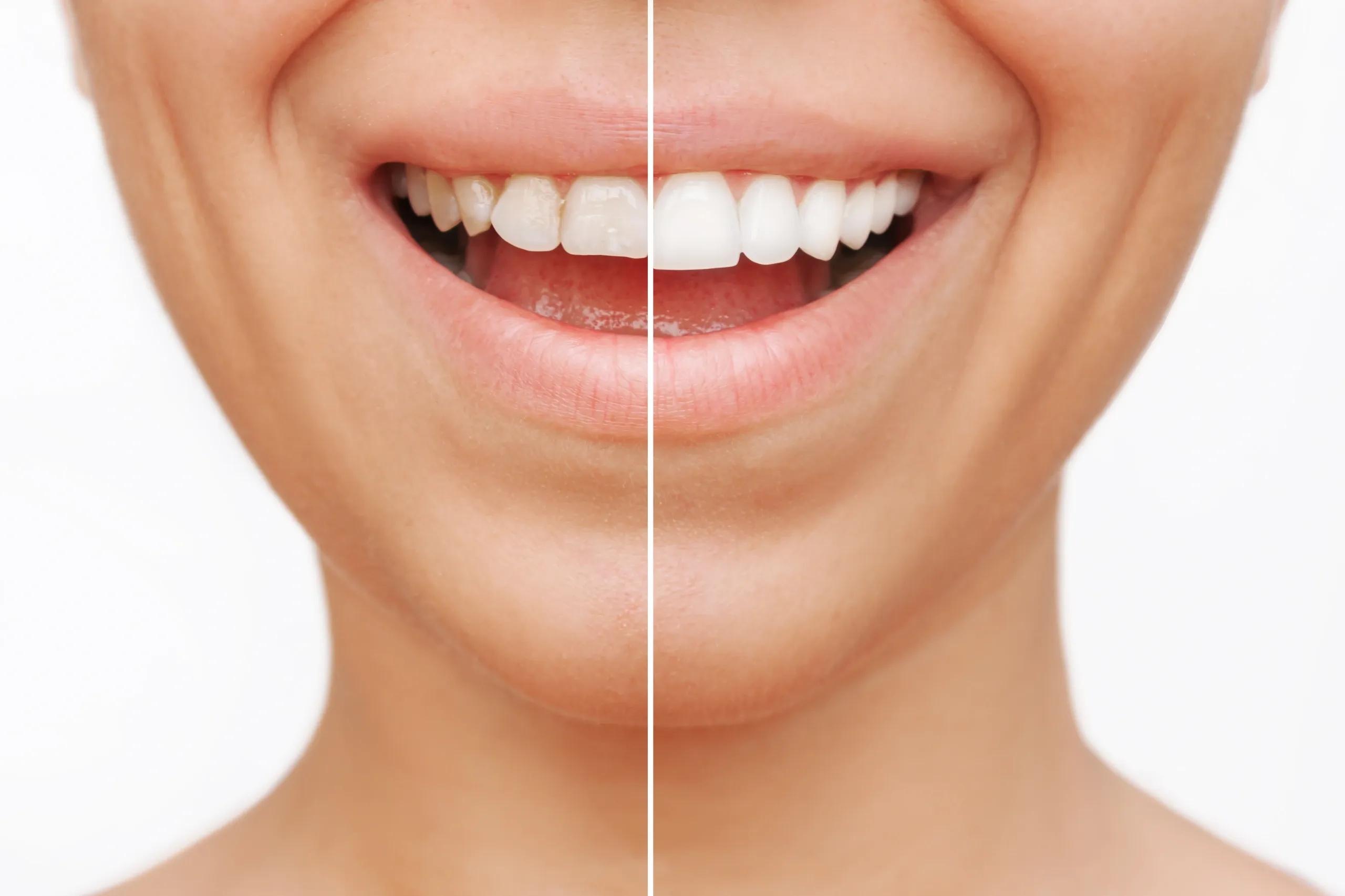
For decades, cosmetic dentistry was viewed as a luxury reserved for celebrities, public figures, and those with significant financial resources. Today, advances in dental technology, improved materials, and the globalization of healthcare have transformed cosmetic dentistry into an increasingly accessible option for patients around the world. Social media platforms have accelerated this change, filling news feeds with dramatic before-and-after smile transformations that promise confidence, beauty, and life-changing results. Among the most recognizable phrases to emerge from this movement is “Turkey teeth.” The term has become synonymous with traveling abroad — particularly to Turkey — for cosmetic dental treatment. Millions of people have watched videos documenting complete smile makeovers completed in just a few days, while others have shared stories of disappointing outcomes requiring expensive corrective treatment. The result has been a flood of opinions, misconceptions, and sensational headlines that often oversimplify a far more nuanced subject. The reality is that “Turkey teeth” is not a dental procedure and it is not a diagnosis. It is an internet nickname that has come to describe dramatic smile transformations associated with dental tourism in Turkey. The phrase is rarely used by dental professionals because it does not accurately describe the wide variety of treatments performed or the quality of care that patients may receive.
Why Turkey Became a Global Dental Destination
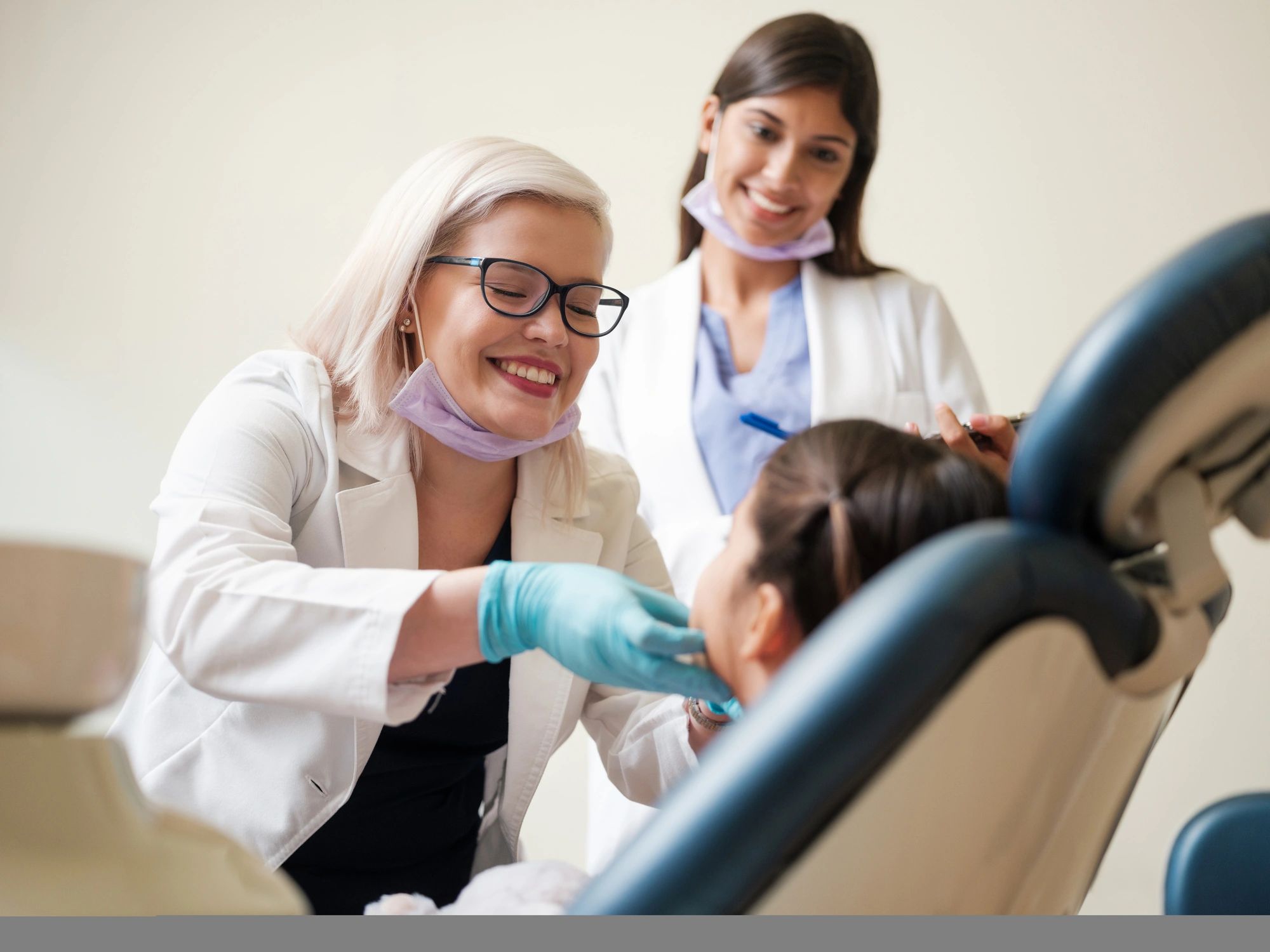
Turkey has become one of the world’s leading destinations for dental tourism for several reasons. Many private clinics have invested heavily in advanced technology, digital smile design software, CAD/CAM milling systems, and modern imaging equipment. Cosmetic dentistry has become a competitive industry, encouraging clinics to provide comprehensive treatment packages that often include transportation, hotel accommodations, and translators for international patients. Economic factors also play an important role. Differences in labor costs, operating expenses, and currency exchange rates often allow clinics to offer treatment at lower prices than patients might encounter in countries with higher healthcare costs. Lower prices alone, however, do not determine the quality of treatment. A lower fee does not automatically indicate inferior care, just as a higher fee does not guarantee excellence. The most important factors remain the same regardless of where treatment is performed:
- Comprehensive diagnosis
- Conservative treatment planning
- Appropriate material selection
- Technical skill and clinical experience
- Long-term follow-up care
- Open communication between patient and provider
A Conservative Philosophy
One of the most significant changes in modern cosmetic dentistry is a shift toward conservative treatment. Rather than removing large amounts of healthy tooth structure, many dentists now emphasize preserving natural enamel whenever possible. Depending on a patient’s needs, options may include whitening, orthodontics, composite bonding, minimal-preparation veneers, or porcelain veneers before considering full-coverage crowns. This philosophy recognizes that every restoration has a lifespan and that preserving healthy tooth structure today may provide more treatment options in the future.
- “Turkey teeth” is an internet nickname — not a recognized dental procedure
- Excellent cosmetic dentistry can be found around the world, including Turkey
- Treatment quality depends on diagnosis, planning, and provider expertise rather than geography alone
- Social media often simplifies complex dental treatment
- Modern cosmetic dentistry increasingly emphasizes preserving healthy tooth structure whenever possible
Understanding Your Teeth Before Cosmetic Dentistry
Before discussing veneers, crowns, or smile makeovers, it is important to understand the structure of a healthy tooth. Cosmetic dentistry is not simply about changing appearance — it involves working with living tissues that perform essential functions every day. Every natural tooth is composed of several layers, each serving a unique purpose.
Enamel: The Outer Protective Layer
Enamel is the hard, outer protective layer of the tooth. It is the strongest substance in the human body and acts as the first line of defense against chewing forces, temperature changes, and everyday wear. Although incredibly durable, enamel cannot regenerate once it has been significantly removed. Preserving enamel whenever possible is one of the guiding principles of conservative cosmetic dentistry. This is why the amount of tooth reduction required for a restoration matters — and why patients should ask their dentist specifically how much enamel will be removed before agreeing to any procedure.
Dentin and Dental Pulp
Beneath the enamel lies dentin, a living tissue that is softer and more porous than enamel. Dentin contains microscopic tubules that communicate with the inner pulp of the tooth. When enamel is lost or thinned, dentin becomes more vulnerable to sensitivity and external stimuli. At the center of every healthy tooth is the dental pulp, containing nerves, blood vessels, and connective tissue. The pulp keeps the tooth alive and allows it to respond to injury, infection, and temperature. Protecting this tissue is one of the reasons why treatment planning must balance cosmetic goals with long-term oral health.
Veneers vs. Crowns: Understanding the Difference
One of the biggest misconceptions surrounding “Turkey teeth” is the belief that veneers and crowns are interchangeable. In reality, they are designed for different clinical situations.
Porcelain Veneers
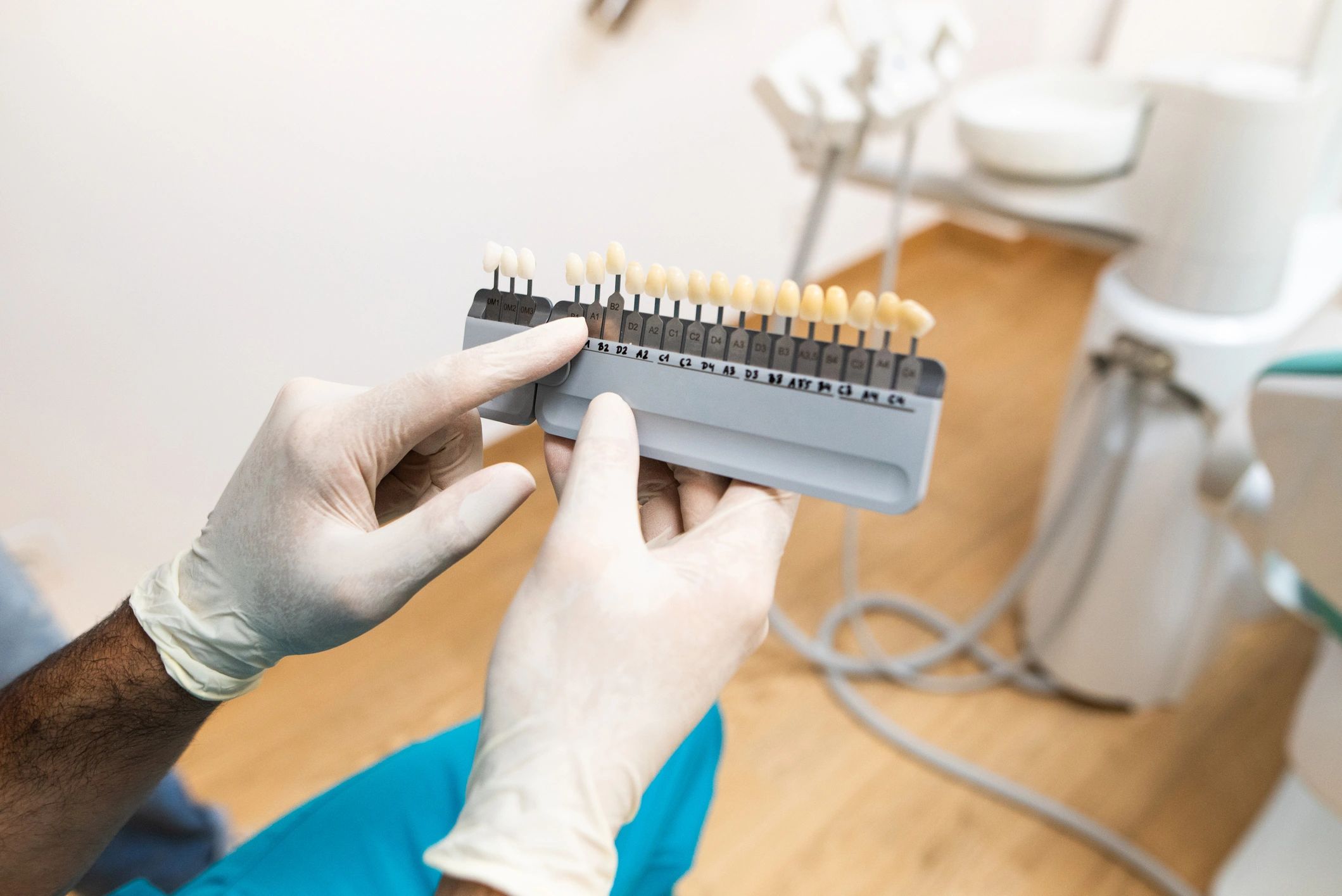
Porcelain veneers are thin ceramic shells bonded primarily to the front surface of a tooth. They may be appropriate for improving color, shape, spacing, or minor alignment concerns when sufficient healthy enamel remains. Depending on the case, tooth preparation may be minimal or, in some situations, not required at all. Veneers are a well-established cosmetic option with a long clinical track record. When placed on appropriate candidates by a skilled clinician, they can produce beautiful, natural-looking results that last many years with proper care.
Dental Crowns
Crowns cover the entire visible portion of a tooth above the gumline. They are often recommended when a tooth has extensive decay, a large existing filling, a crack, or has undergone root canal treatment. Crowns can also be part of certain comprehensive smile makeovers, but they are not automatically the best option for every patient. The choice between veneers and crowns should be based on the condition of the tooth — not simply on cosmetic preference or what a clinic’s standard package includes.
Composite Bonding: A Conservative Alternative
Composite bonding offers another conservative option for selected patients. Using tooth-colored resin, dentists can reshape teeth, repair chips, close small gaps, and improve symmetry with little or no removal of healthy tooth structure. While bonding may not last as long as porcelain in every situation, it can be an excellent choice for patients seeking minimally invasive treatment — and it is fully reversible in a way that veneer or crown preparation is not.
The Importance of Individualized Care
No two smiles are identical. Factors such as bite alignment, gum health, facial proportions, enamel thickness, existing restorations, and oral hygiene habits all influence treatment recommendations. A smile makeover should never be based solely on photographs or social media trends. A comprehensive examination allows the dental team to determine which treatment options are likely to provide the healthiest, most durable, and most natural-looking outcome for each individual. This is true whether treatment is performed locally or abroad.
Questions to Ask Before Any Cosmetic Dental Treatment
Whether you are considering treatment at home or abroad, the following questions are worth asking before committing to any cosmetic dental procedure.
- What is the dentist’s specific training and experience in cosmetic dentistry?
- Can I see before-and-after photos of patients with similar starting points?
- What is the full diagnosis — not just what I want cosmetically, but what my teeth actually need?
- How much healthy tooth structure will be removed, and why?
- What material will be used, and what are its expected longevity and maintenance requirements?
- Are there more conservative options that would achieve a similar result?
- What happens if I need adjustments, repairs, or replacement in the future?
- What follow-up care is included, and how will ongoing care be managed if I return home?
- Is the clinic accredited, and what are the dentist’s credentials?
- What is the full cost, including any potential follow-up treatment?
Dental Tourism: Practical Considerations
For patients seriously considering dental treatment abroad, several practical factors deserve careful thought beyond the clinical questions above.
- Travel and recovery — some procedures require multiple visits or a recovery period; factor in travel costs, time away from work, and the logistics of returning for follow-up
- Communication — ensure you can communicate clearly with the dental team; language barriers can affect informed consent and treatment planning
- Records and continuity of care — request complete records, X-rays, and documentation of all materials used so your local dentist can provide ongoing care
- Emergency access — understand what happens if you experience a complication after returning home
- Research the clinic independently — look beyond the clinic’s own marketing; seek independent reviews, professional accreditations, and verifiable credentials
- Consult a local dentist first — a pre-treatment consultation with a dentist at home can help you understand your actual clinical needs before traveling
The Bottom Line
“Turkey teeth” is a phrase born from social media, not from dentistry. It has come to represent both the promise and the pitfalls of cosmetic dental tourism — dramatic transformations that are sometimes achieved beautifully and sometimes result in outcomes that require costly correction. The truth is more nuanced than either extreme. Excellent cosmetic dentistry is performed in Turkey every day, just as poor treatment planning occurs in every country. The determining factors are not geography but diagnosis, clinical skill, material quality, and the relationship between patient and provider. Anyone considering cosmetic dental treatment — at home or abroad — deserves a thorough examination, an honest conversation about what their teeth actually need, and a treatment plan built around their long-term oral health rather than a standard package or a social media trend. Medical disclaimer: This article is intended for educational purposes only and should not be considered medical or dental advice. Treatment recommendations vary based on each individual’s oral health, anatomy, and clinical needs. If you are considering cosmetic dentistry or dental treatment abroad, consult a qualified dentist for a comprehensive examination and personalized treatment plan.
Frequently asked questions
Why Turkey Became a Global Dental Destination: what should readers know?
Turkey has become one of the world’s leading destinations for dental tourism for several reasons. Many private clinics have invested heavily in advanced technology, digital smile design software, CAD/CAM milling systems, and modern imaging equipment. Cosmetic dentistry has become a competitive industry, encouraging…
The Influence of Social Media: what should readers know?
Platforms such as TikTok, Instagram, and YouTube have dramatically changed how patients discover cosmetic dentistry. Short videos often compress months of treatment into less than a minute, showing dramatic transformations without fully explaining the planning, preparation, healing process, or long-term maintenance…
A Conservative Philosophy: what should readers know?
One of the most significant changes in modern cosmetic dentistry is a shift toward conservative treatment. Rather than removing large amounts of healthy tooth structure, many dentists now emphasize preserving natural enamel whenever possible. Depending on a patient’s needs, options may include whitening, orthodontics,…
Free Download
The Truth About "Turkey Teeth": Separating Internet Myths from Modern Dental Tourism
Save this guide for later — yours to keep, reference, and share.
Near You
Find this service locally
References
- American Dental Association. Materials for Indirect Restorations.
- American Academy of Cosmetic Dentistry (AACD). Patient Education Resources.
- American Academy of Cosmetic Dentistry. State of the Cosmetic Dentistry Industry.
- Acıbadem International. Veneers and Smile Makeover in Turkey: Treatment Guide.
- Acıbadem International. Teeth Veneers.
- American Dental Association. Oral Health Topics.
- National Institute of Dental and Craniofacial Research. Oral Health Information.
- Cleveland Clinic. Dental Crowns.
- Cleveland Clinic. Dental Veneers.
- Mayo Clinic. Dental Care and Oral Health.
- Journal of Prosthetic Dentistry. Evidence-based clinical research.
- Journal of Esthetic and Restorative Dentistry. Clinical and research publications.
- Journal of Prosthodontics. Official journal of the American College of Prosthodontists.
- Türk Dişhekimleri Birliği (Turkish Dental Association). Professional resources and patient information.
- FDI World Dental Federation. Oral Health Resources.
Editorial Disclosure: The content in this article is intended for informational purposes only and does not constitute medical advice, diagnosis, or treatment. Always consult a qualified healthcare provider before beginning any procedure, treatment, or wellness program. Individual results vary. Aledore does not endorse any specific provider, product, or treatment mentioned in this article. Conduct your own research and seek professional guidance before making any health or aesthetic decisions.


