Skin
The Science of Facial Redness: Understanding Rosacea, Broken Capillaries, and Sensitive Skin
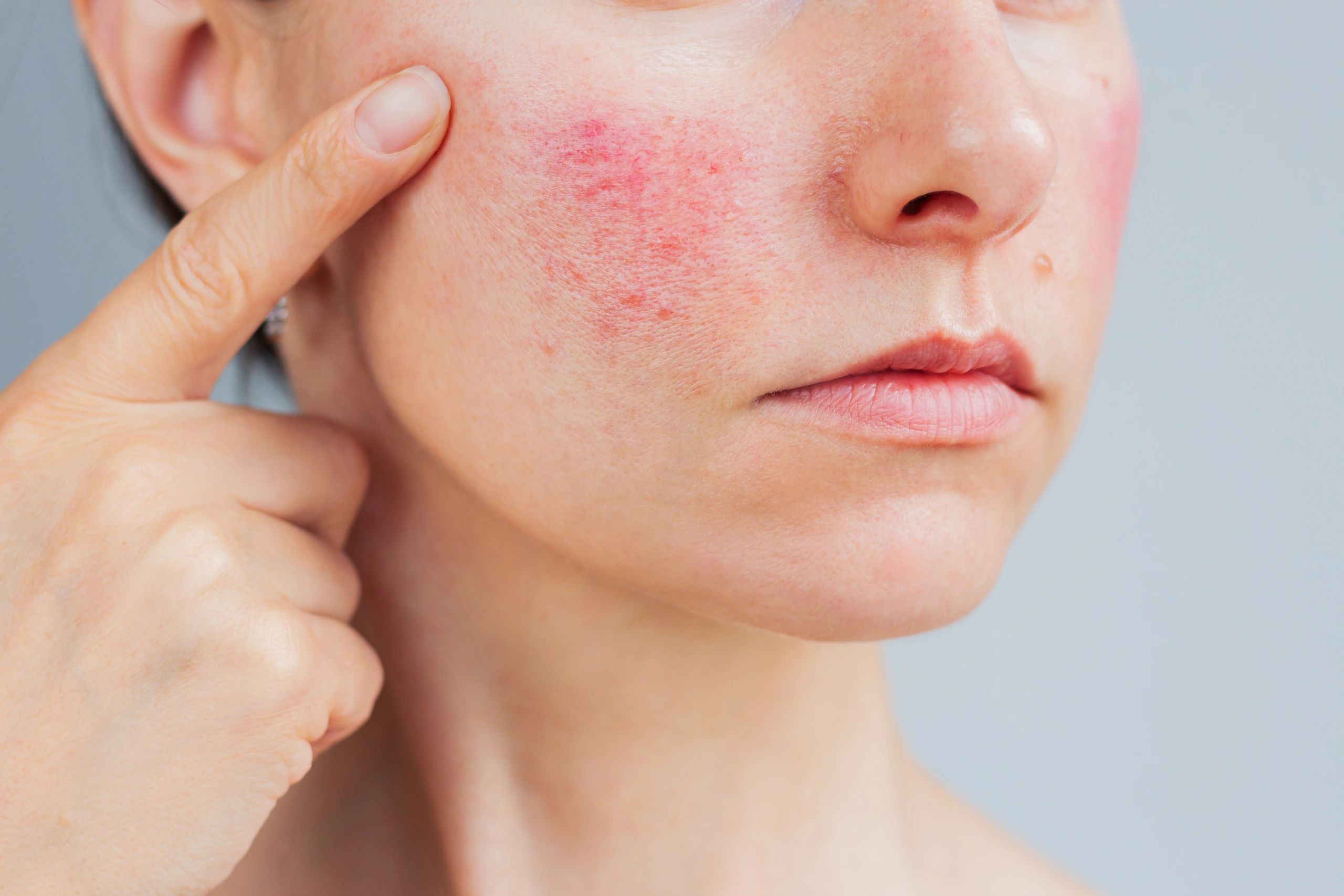
Nearly everyone has watched their face turn red. Maybe it happened after a brisk walk on a cold winter morning. Perhaps it followed an intense workout, a stressful presentation, or an embarrassing moment. For many people, the redness fades within minutes. But for others, it lingers. Some notice persistent pinkness across the cheeks and nose. Others experience frequent flushing that seems unpredictable. Tiny red blood vessels become visible, the skin feels warm or sensitive, and even simple skincare products begin to sting. At first glance, facial redness may seem like a cosmetic issue. In reality, it is often the visible result of complex biological processes occurring beneath the surface of the skin. Understanding why facial redness develops is the first step toward finding the right treatment — and recognizing when redness may be a sign of something more than sensitive skin.
Stay Informed
A better inbox starts here.
Get thoughtful beauty and wellness guidance from the Aledore Journal.
Find Locally
Find trusted providers near you
The Skin Is More Than a Protective Covering
The skin is the body's largest organ, serving as a barrier between us and the outside world. It regulates temperature, prevents water loss, protects against microorganisms, and houses an intricate network of nerves, immune cells, and blood vessels. The face is especially unique. Compared with many other parts of the body, facial skin contains a dense network of tiny blood vessels, numerous sensory nerve endings, active oil glands, thin and delicate skin in several areas, and is subject to constant exposure to sunlight, wind, heat, and pollution. Because of this rich blood supply, even small changes beneath the skin's surface can quickly become visible.
The Role of Blood Vessels and Why the Face Flushes
One of the primary reasons the face turns red is vasodilation — when small blood vessels widen, allowing more blood to flow near the skin's surface. This increased circulation helps the body release excess heat, deliver oxygen and nutrients, support healing, and respond to inflammation. When blood vessels expand, more oxygen-rich blood becomes visible through the skin. The result is redness. For most people, vasodilation is temporary. However, when blood vessels repeatedly expand over months or years, they may become more noticeable and remain visible even when the original trigger has disappeared. Flushing is a normal physiological response. Common triggers include exercise, heat, hot showers, spicy foods, alcohol, emotional stress, embarrassment, and fever. In some individuals, however, this process becomes exaggerated or prolonged.
Inflammation and the Skin Barrier
While blood vessels explain much of the visible redness, inflammation often explains why it persists. Inflammation is the immune system's response to injury, irritation, or perceived threats. In healthy amounts, it helps repair damaged tissue. When inflammation becomes chronic, however, it may contribute to persistent redness, burning sensations, swelling, increased skin sensitivity, and visible blood vessels. Another major contributor to facial redness is the skin barrier. The outermost layer of the skin — known as the stratum corneum — acts like a protective wall, locking moisture inside, keeping irritants out, reducing water loss, and maintaining healthy skin function. When this barrier becomes damaged, the skin becomes more vulnerable. Even products that were once well tolerated may suddenly cause burning, stinging, itching, redness, and dryness. Barrier disruption may result from over-exfoliation, harsh cleansers, excessive retinoid use, sun exposure, wind, cold weather, or certain medical conditions. A weakened barrier often makes redness worse because irritants can penetrate the skin more easily.
Why Some People Are More Prone to Redness
Not everyone's skin reacts the same way. Family history plays an important role — individuals with close relatives affected by rosacea or sensitive skin may be more likely to experience persistent facial redness themselves. People with lighter skin tones often notice redness more easily because blood vessels are more visible beneath the skin, though redness also occurs in darker skin tones and may simply appear differently. Daily exposure to environmental stressors — ultraviolet radiation, air pollution, wind, extreme temperatures, and low humidity — gradually affects the skin. Repeated exposure can weaken the skin barrier and increase inflammation over time. If redness lasts for weeks or months, frequently returns without an obvious trigger, or is accompanied by discomfort, it may indicate an underlying condition. Common causes include rosacea, sensitive skin, acne-related inflammation, seborrheic dermatitis, eczema, contact dermatitis, allergic reactions, medication side effects, and autoimmune conditions. Because these disorders can appear similar, obtaining an accurate diagnosis is important before beginning treatment.
The Emotional Side of Facial Redness
Facial redness affects more than appearance. Because it occurs on the most visible part of the body, many people become self-conscious about their skin. Some individuals report avoiding photographs, public speaking, social gatherings, exercise, certain foods, and warm environments. The unpredictability of facial flushing can create frustration, particularly when triggers are difficult to identify. Recognizing that redness is often rooted in biology — not poor hygiene or inadequate skincare — can help reduce unnecessary self-blame. Many conditions causing facial redness respond best when addressed early. Ignoring persistent redness may allow inflammation to continue, increasing the likelihood of visible blood vessels, ongoing sensitivity, or progressive symptoms.
Part II: Diagnosing the Cause and Exploring Modern Treatments
Two people may appear to have similar redness while having completely different underlying conditions. One person may have rosacea. Another may simply have a damaged skin barrier. A third may have eczema, an allergic reaction, or visible blood vessels caused by years of sun exposure. Because the treatments differ significantly, identifying the underlying cause is one of the most important steps toward healthier skin. Modern dermatology focuses not only on reducing visible redness but also on restoring normal skin function.
Rosacea: One of the Most Common Causes
Rosacea affects millions of people worldwide and is among the leading causes of persistent facial redness. Although researchers continue studying its exact cause, several factors appear to contribute: genetics, immune system dysregulation, increased skin sensitivity, abnormal blood vessel responses, microorganisms naturally found on the skin, and environmental triggers. Rosacea often develops gradually. Many patients first notice frequent flushing that eventually becomes more persistent. Over time, additional symptoms may appear — red cheeks and nose, burning or stinging sensations, visible facial blood vessels, acne-like bumps and pustules, dry and sensitive skin, and eye irritation in some individuals. Early recognition often leads to better long-term symptom control.
Broken Capillaries (Telangiectasias)
Tiny visible blood vessels are another frequent cause of facial redness. These delicate vessels, known medically as telangiectasias, commonly appear around the nose, cheeks, and chin. Unlike temporary flushing, broken capillaries do not disappear on their own. Contributing factors may include chronic sun exposure, repeated flushing, rosacea, aging, genetics, trauma, and long-term corticosteroid use. While topical skincare cannot remove existing visible vessels, vascular lasers and intense pulsed light (IPL) treatments can significantly reduce their appearance in appropriately selected patients.
Sensitive Skin, Barrier Dysfunction, and Seborrheic Dermatitis
Sometimes redness has less to do with blood vessels and more to do with a weakened protective barrier. When the skin barrier becomes compromised, everyday products may suddenly cause burning, stinging, tightness, dryness, and persistent redness. Common contributors include over-exfoliation, excessive use of retinoids, harsh cleansers, fragrance-containing products, frequent chemical peels, and environmental stress. In these situations, repairing the skin barrier often becomes the primary treatment goal. Seborrheic dermatitis is another common inflammatory skin condition that frequently affects the face — typically around the nose, eyebrows, hairline, beard area, and ears. Unlike rosacea, it often produces flaking, greasy scales, itching, and yellowish skin flakes. The condition is associated with inflammation and an overgrowth of naturally occurring yeast on the skin. Treatment may include medicated cleansers, antifungal therapies, and anti-inflammatory medications.
Modern Treatment Options
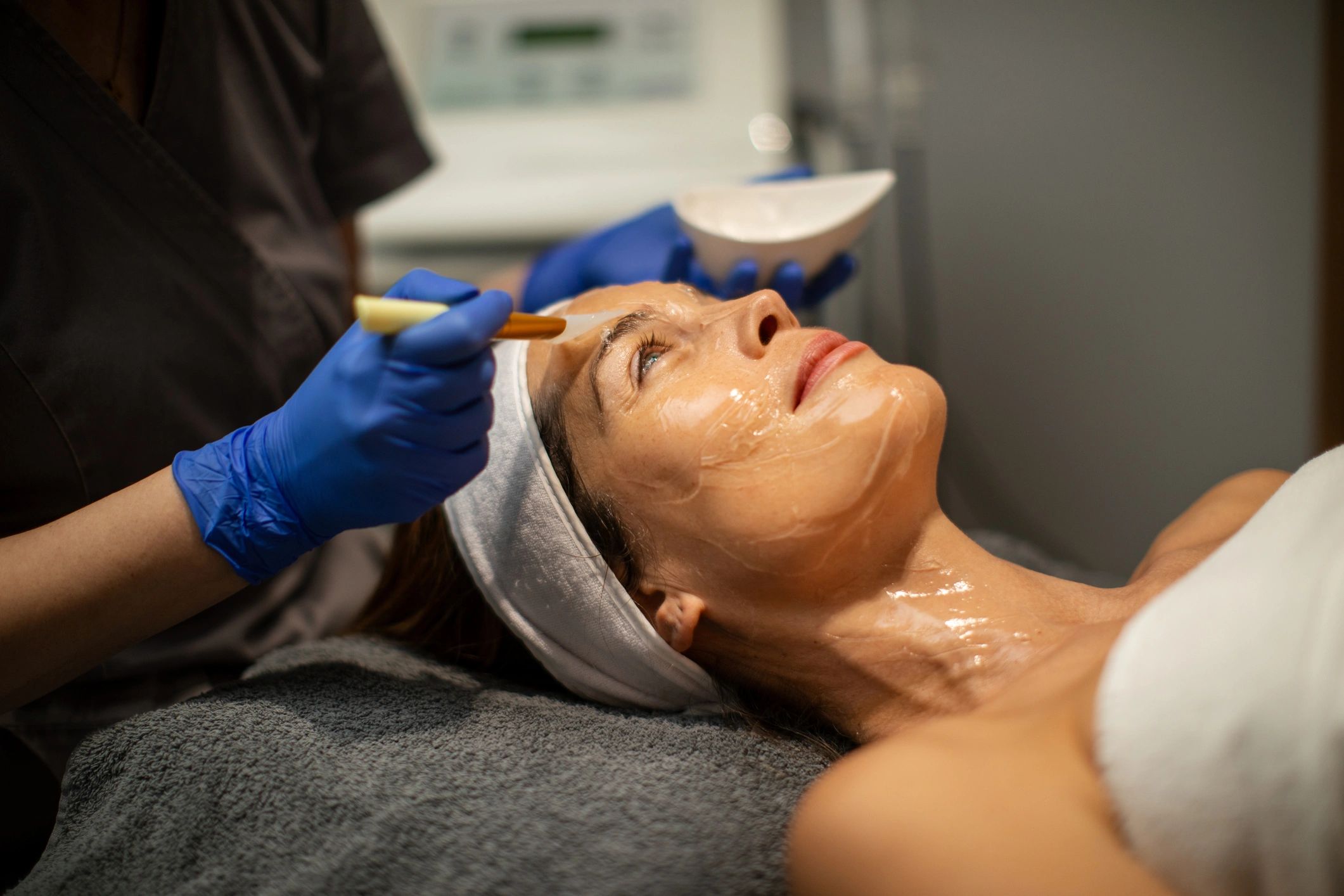
Because facial redness has many causes, treatment is highly individualized. For inflammatory conditions such as rosacea, prescription treatments may include topical anti-inflammatory medications, antibiotic creams or gels, oral medications for more significant inflammation, and medications that temporarily reduce facial redness by narrowing superficial blood vessels. These therapies should be used under medical supervision. Vascular lasers specifically target abnormal blood vessels while minimizing injury to surrounding tissue, commonly used to reduce persistent redness, visible capillaries, and rosacea-associated vascular changes. Several treatment sessions are often recommended for optimal improvement. Although IPL (intense pulsed light) is not technically a laser, it uses broad-spectrum light to address diffuse redness, sun damage, pigmentation, and certain superficial blood vessels. Because IPL also targets pigmentation, it can be particularly useful in patients experiencing both redness and sun-related discoloration.
Repairing the Skin Barrier and Identifying Triggers
Regardless of the underlying diagnosis, many patients benefit from supporting the skin barrier. Gentle skincare often includes mild cleansers, ceramide-containing moisturizers, fragrance-free formulations, daily sunscreen, and avoiding unnecessary exfoliation. Barrier repair frequently improves comfort while reducing sensitivity and visible irritation. Many conditions involving facial redness worsen in response to specific triggers. Keeping a symptom journal may help identify patterns. Common triggers include sun exposure, heat, hot beverages, alcohol, spicy foods, emotional stress, vigorous exercise, wind, and certain skincare products. Not every trigger affects every individual — learning personal patterns often becomes an important part of long-term management.
Common Mistakes That Can Make Redness Worse
Well-intentioned skincare choices sometimes increase irritation. Using multiple acids, scrubs, or exfoliating devices can damage the skin barrier and worsen inflammation. Combining retinoids, alpha hydroxy acids, beta hydroxy acids, benzoyl peroxide, and vitamin C all at once may overwhelm sensitive skin. Many people with oily or acne-prone skin avoid moisturizer, yet hydration helps support the skin barrier regardless of skin type. And ultraviolet radiation is a common trigger for redness and inflammation — daily sunscreen remains one of the most effective long-term protective measures.
Myth vs. Fact
Common misconceptions about facial redness:
- Myth: Facial redness always means rosacea. Fact: Many conditions — including eczema, seborrheic dermatitis, contact dermatitis, acne, lupus, and simple barrier damage — can cause facial redness.
- Myth: Scrubbing the skin harder removes redness. Fact: Aggressive cleansing often increases irritation by damaging the skin barrier.
- Myth: Red skin is always sensitive skin. Fact: Sensitive skin may appear red, but not all redness is caused by skin sensitivity.
- Myth: Laser treatments permanently cure rosacea. Fact: Lasers can improve visible blood vessels and redness, but rosacea is a chronic condition that often requires ongoing management.
- Myth: If your face flushes easily, nothing can be done. Fact: Many patients benefit from trigger identification, skincare adjustments, prescription therapies, or vascular laser treatments.
Questions to Ask Your Dermatologist or Provider
If facial redness has become persistent, consider asking:
- What is the most likely cause of my redness?
- Do I have rosacea, eczema, or another condition?
- Is my skin barrier damaged?
- Which skincare ingredients should I avoid?
- Would prescription treatment benefit me?
- Am I a candidate for laser or IPL therapy?
- How can I reduce future flare-ups?
- Which daily skincare routine is most appropriate for my skin type?
- Are there lifestyle changes that may help control my symptoms?
The Future of Facial Redness Treatment
Research into facial redness continues to expand. Scientists are investigating improved anti-inflammatory therapies, personalized skincare based on genetics, advanced vascular laser technologies, better understanding of the skin microbiome, treatments that strengthen the skin barrier without excessive irritation, and artificial intelligence-assisted diagnosis of inflammatory skin conditions. As these advances continue, future treatments may become even more individualized, helping patients achieve healthier skin with fewer side effects and shorter recovery times. Facial redness is more than a cosmetic concern — it is often a visible sign of changes occurring beneath the skin. Whether the cause is rosacea, broken capillaries, eczema, a weakened skin barrier, or another inflammatory condition, understanding the source is essential for choosing the most effective treatment. For many people, healthier skin begins not with stronger products, but with a deeper understanding of how the skin functions and what it needs to heal.
Frequently asked questions
The Skin Is More Than a Protective Covering: what should readers know?
The skin is the body's largest organ, serving as a barrier between us and the outside world. It regulates temperature, prevents water loss, protects against microorganisms, and houses an intricate network of nerves, immune cells, and blood vessels. The face is especially unique. Compared with many other parts of the…
The Role of Blood Vessels and Why the Face Flushes: what should readers know?
One of the primary reasons the face turns red is vasodilation — when small blood vessels widen, allowing more blood to flow near the skin's surface. This increased circulation helps the body release excess heat, deliver oxygen and nutrients, support healing, and respond to inflammation. When blood vessels expand, more…
Inflammation and the Skin Barrier: what should readers know?
While blood vessels explain much of the visible redness, inflammation often explains why it persists. Inflammation is the immune system's response to injury, irritation, or perceived threats. In healthy amounts, it helps repair damaged tissue. When inflammation becomes chronic, however, it may contribute to persistent…
Free Download
The Science of Facial Redness: Understanding Rosacea, Broken Capillaries, and Sensitive Skin
Save this guide for later — yours to keep, reference, and share.
Near You
Find this service locally
References
- American Academy of Dermatology (AAD). Rosacea, Sensitive Skin, and Facial Redness Resources.
- National Rosacea Society. Rosacea Treatment Guidelines and Trigger Management.
- American Society for Dermatologic Surgery (ASDS). Laser and Light-Based Treatment Resources.
- Bolognia JL, Schaffer JV, Cerroni L. Dermatology. 4th ed. Elsevier.
- Kang S, Amagai M, Bruckner AL, et al. Fitzpatrick's Dermatology. 9th ed. McGraw-Hill.
- Journal of the American Academy of Dermatology (JAAD). Peer-reviewed publications on rosacea, facial flushing, inflammatory skin disease, and vascular disorders.
- Journal of Cosmetic Dermatology. Studies on barrier repair, sensitive skin, vascular treatments, and facial erythema.
- National Eczema Association. Facial Eczema and Barrier Repair Resources.
- American Contact Dermatitis Society (ACDS). Resources on allergic and irritant contact dermatitis.
- Lasers in Surgery and Medicine. Clinical research on vascular laser therapy and intense pulsed light (IPL) for facial redness.
- Dermatologic Surgery. Peer-reviewed studies evaluating vascular lasers, IPL, and treatment outcomes for rosacea and telangiectasias.
- Two AM, Wu W, Gallo RL, Hata TR. Rosacea: Part I and Part II. American Family Physician. Reviews of diagnosis, pathophysiology, and management.
Editorial Disclosure: The content in this article is intended for informational purposes only and does not constitute medical advice, diagnosis, or treatment. Always consult a qualified healthcare provider before beginning any procedure, treatment, or wellness program. Individual results vary. Aledore does not endorse any specific provider, product, or treatment mentioned in this article. Conduct your own research and seek professional guidance before making any health or aesthetic decisions.
Medical Disclaimer: This article is for educational purposes only and is not a substitute for individualized medical, dental, or wellness advice, diagnosis, or treatment. Consult an appropriately qualified professional before making treatment decisions.
View Count Disclosure: The article-view total shown above is a sample figure used to preview this design and does not represent verified reader traffic. Live analytics may replace the sample total in the future.